




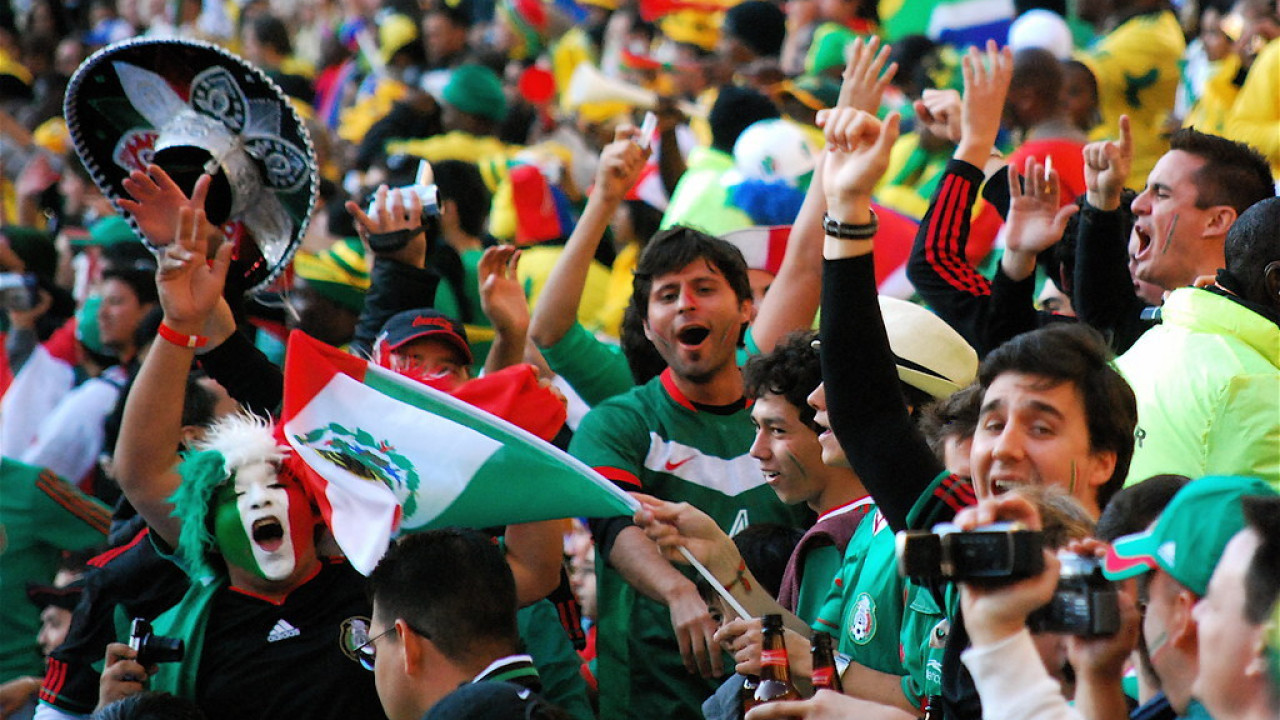
The dispute between Mexico and Ecuador shows how modern diplomatic crises rarely stay confined to diplomacy. What began with a dramatic embassy raid in 2024 evolved into a legal battle at the International Court of Justice before spilling onto one of the world's biggest sporting stages during the 2026 FIFA World Cup.
The episode illustrates how political disputes can increasingly play out across multiple international arenas, from embassies and courtrooms to global sporting events.
An Embassy Raid Sparked an International Legal Battle
On April 5, 2024, Ecuadorian President Daniel Noboa ordered police to enter the Mexican Embassy in Quito and arrest former Vice President Jorge Glas, who had been granted political asylum by Mexico. Ecuador argued that Glas, who had been convicted on corruption charges linked to earthquake reconstruction funds, could not use asylum to avoid justice.
Mexico strongly condemned the raid, with then-President Andrés Manuel López Obrador suspending diplomatic relations and accusing Ecuador of violating international law and the long-standing principle that embassies are protected diplomatic spaces. The incident also drew concern from Colombian President Gustavo Petro, Nicaraguan President Daniel Ortega, and United Nations Secretary-General António Guterres.
The dispute soon reached the International Court of Justice. Mexico argued that Ecuador had violated diplomatic protections by entering the embassy, while Ecuador countered that political asylum should not shield convicted officials from domestic criminal proceedings. The outcome could influence future international disputes involving diplomatic immunity, asylum, and state sovereignty.
The World Cup Became the Next Arena
The legal dispute did not remain confined to international courts. During the 2026 FIFA World Cup, political tensions resurfaced after Mexico eliminated Ecuador in the Round of 32. The Ecuadorian Football Federation later filed a formal complaint with FIFA, alleging security problems and harassment of Ecuadorian players and supporters by Mexican fans.
The incident reflects a broader pattern in which major sporting events increasingly become stages where geopolitical tensions are expressed. While the World Cup is designed to unite countries through competition, existing political disputes often shape public reactions, media narratives, and the atmosphere surrounding matches.
The Mexico-Ecuador dispute demonstrates how a single diplomatic crisis can spread far beyond traditional politics. What began with an embassy raid became a legal confrontation before eventually spilling into international sport, illustrating how diplomacy, law, and global events have become increasingly interconnected.

Loading comments...