




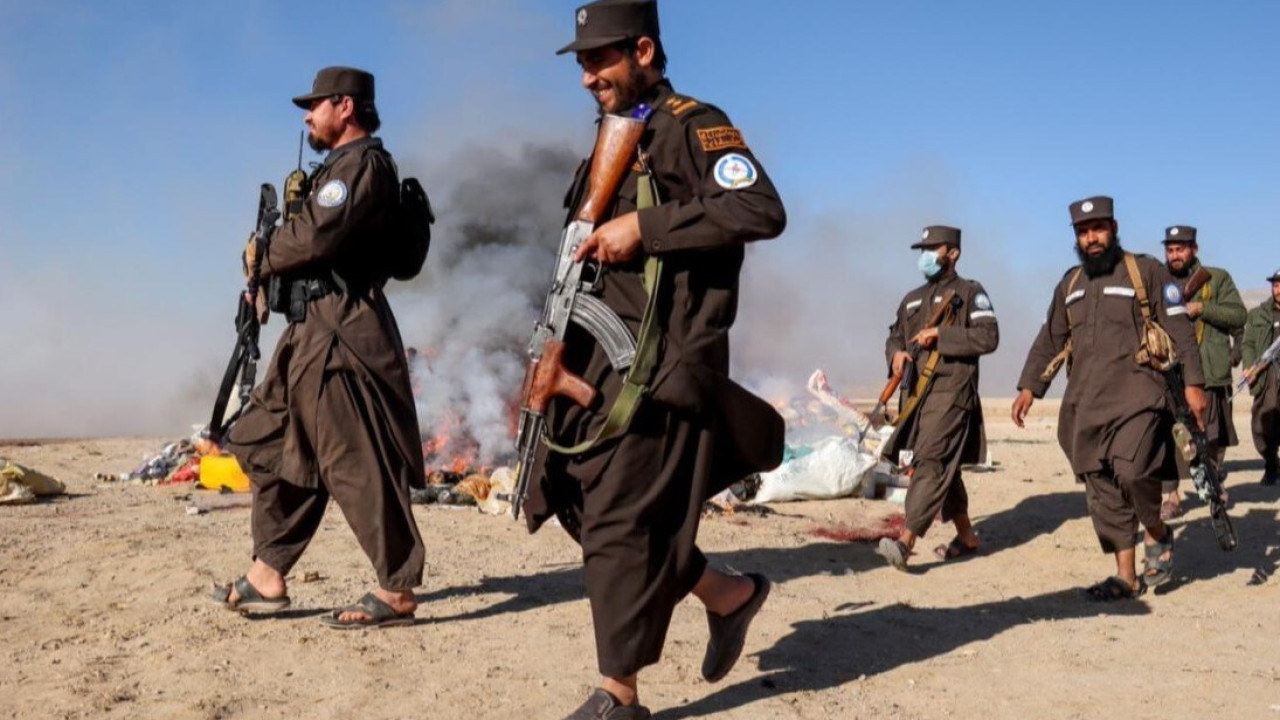
A wave of deadly clashes on the Tajikistan-Afghanistan border, including attacks that killed Chinese workers inside Tajikistan in November, is raising the risk of broader instability across Central Asia and putting trade routes, energy links, foreign investment, and regional diplomacy under growing pressure.
Why the Tajikistan-Afghanistan Border Has Long Been So Volatile
The Tajikistan-Afghanistan border took shape in the late 19th century, when the British and Russian empires turned Afghanistan into a buffer state. Present-day Tajikistan later inherited that frontier after the collapse of the Soviet Union.
The border zone became especially unstable in the 1990s, as the Tajik civil war and the Afghan civil war fueled insecurity on both sides. Conditions improved after the Taliban fell in 2001, but the frontier remained porous and weakly policed. Since the Taliban’s return to power in 2021, the border has come under renewed pressure, with heavier
...

Loading comments...