




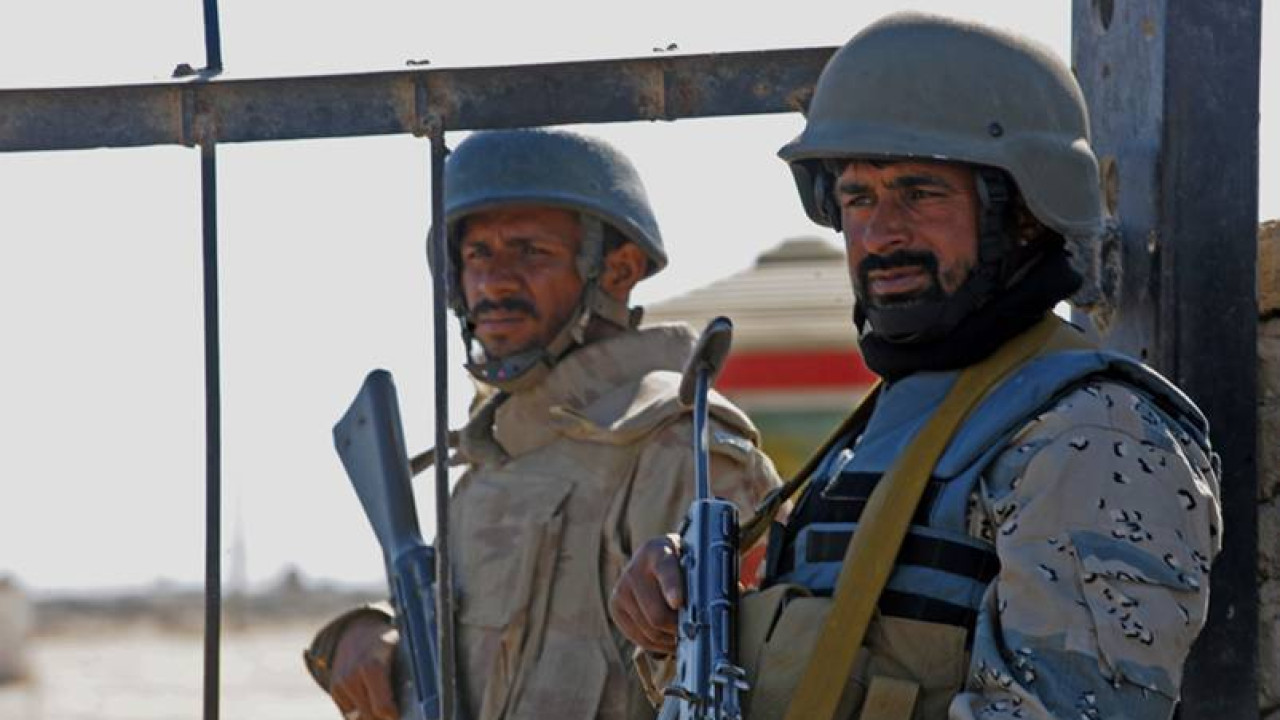
On June 29, Pakistan’s security forces carried out a ground operation and air strikes along the Pakistan-Afghanistan border in response to deadly attacks, killing 29 fighters according to official reports.
This event marks yet another episode in the escalating cycle of violence between Pakistani security forces and militant groups operating near the border, underscoring the region's enduring security and geopolitical challenges.
Escalating Cross-Border Tensions
According to Pakistan, the operation targeted militants in the eastern Afghan provinces of Paktia, Paktika, and Kunar following a series of attacks, including an assault on a Pakistani military facility in Karachi that killed three soldiers.
Islamabad attributes the recent increase in violence to the Tehrik-i-Taliban Pakistan (TTP) and affiliated groups, claiming that these organizations are operating from sanctuaries inside Afghanistan. Kabul has consistently rejected these allegations, maintaining that it does not provide refuge to anti-Pakistan militants.
The operation has intensified diplomatic tensions between the two neighbors. Afghanistan condemned the strikes as a violation of its sovereignty, claiming they resulted in civilian casualties, and summoned Pakistan's chargé d'affaires to issue a formal protest. Pakistan responded by lodging its own diplomatic protest, reinforcing the increasingly confrontational nature of bilateral relations.
Regional Implications
Pakistan's latest strike suggests that Islamabad increasingly believes it cannot rely on the Taliban government to contain the TTP. Instead, it is becoming more willing to carry out military operations across the border, even at the risk of further damaging relations with Kabul.
That shift worries countries with major interests in the region. China, which has invested heavily in the China-Pakistan Economic Corridor (CPEC), has repeatedly encouraged dialogue between Pakistan and Afghanistan because continued instability threatens both regional trade and the security of Chinese projects. Qatar, Türkiye, and Saudi Arabia have also supported efforts to reduce tensions, fearing that sustained conflict could spill across borders.
The larger problem is that Pakistan and Afghanistan no longer appear to agree on how the TTP should be handled. Pakistan argues that Kabul has failed to act against militants operating from Afghan territory, while the Taliban rejects many of those accusations and condemns Pakistani strikes as violations of Afghan sovereignty.
Unless both sides can rebuild some form of security cooperation, cross-border operations are likely to become more common. That would leave the Afghanistan-Pakistan border less stable, make regional infrastructure projects more vulnerable, and increase the risk that counter-terrorism operations gradually evolve into a broader interstate conflict.


Loading comments...