




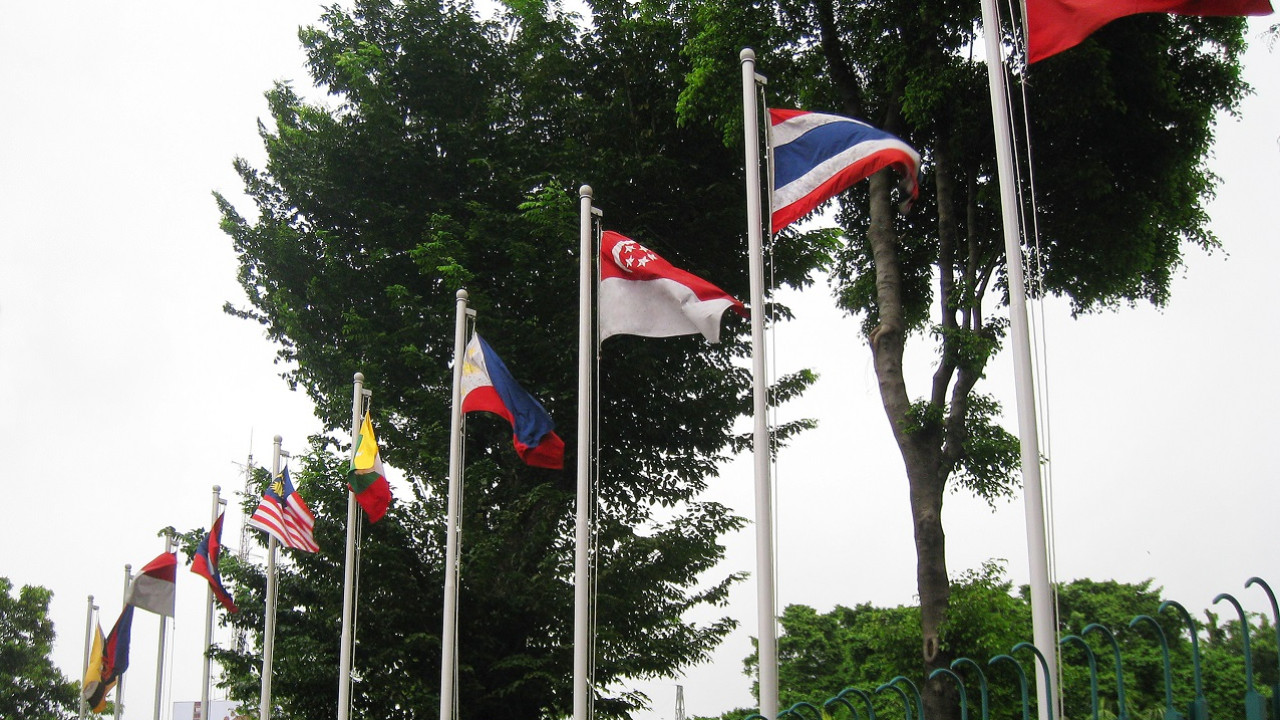
The United States and ASEAN countries are stepping up joint action to stop cultural property trafficking across Southeast Asia. The new push targets illegal networks that steal and sell ancient artifacts, draining cultural identity and economic value from the region.
Announced after a high-level meeting in Jakarta in April 2026, the effort builds on growing Cultural Property Agreements between the United States and multiple Southeast Asian partners. It reflects rising concern over how fast-moving smuggling routes are becoming more organized and harder to track.
Cultural Property Trafficking Response
Washington and Southeast Asian governments are acting because cultural theft has grown into a serious cross-border crime. Once artifacts disappear, parts of history and identity are lost forever, weakening cultural continuity across generations.
Officials say trafficking groups are using complex routes to move stolen statues, temple relics, and historical art across borders. The April 2026 Jakarta meeting helped speed up coordination, focusing on intelligence sharing and stronger enforcement. The United States is also continuing to expand Cultural Property Agreements, which help prevent stolen items from entering legal markets.
What Cross-Border Cooperation Looks Like In Practice
Between 2011 and 2023, authorities recovered more than 2,500 trafficked items connected to the Kapoor criminal network, with an estimated value of over $143 million. Another major case involved the forfeiture of $12 million linked to trafficker Douglas Latchford, whose operations spread across several Southeast Asian countries.
Cooperation is not only about recovery but also prevention, using shared databases and joint investigations. The Cultural Property Agreement model allows the United States and partner countries to block illegal relics before they reach collectors.
Strengthening Security Through Cultural Protection
As trafficking networks grow more advanced, governments are treating cultural protection as part of national security. The United States and ASEAN partnership is focused on stronger legal tools, and closer cross-border coordination. Stopping illegal artifact trade protects both history and economic stability in Southeast Asia, where cultural heritage also supports tourism.
Countries involved in higher indices of stolen cultural property, such as Cambodia and Thailand, are expected to benefit from faster intelligence sharing and stronger enforcement capacity, making it harder for criminal groups to operate across borders.
The partnership signals a stronger long-term effort to fight cultural property trafficking. Through legal agreements, intelligence sharing, and joint enforcement, the goal is to close gaps used by traffickers for years. Cultural heritage protection is now a shared responsibility, ensuring ancient antiquities remain in their countries of origin.


Loading comments...