




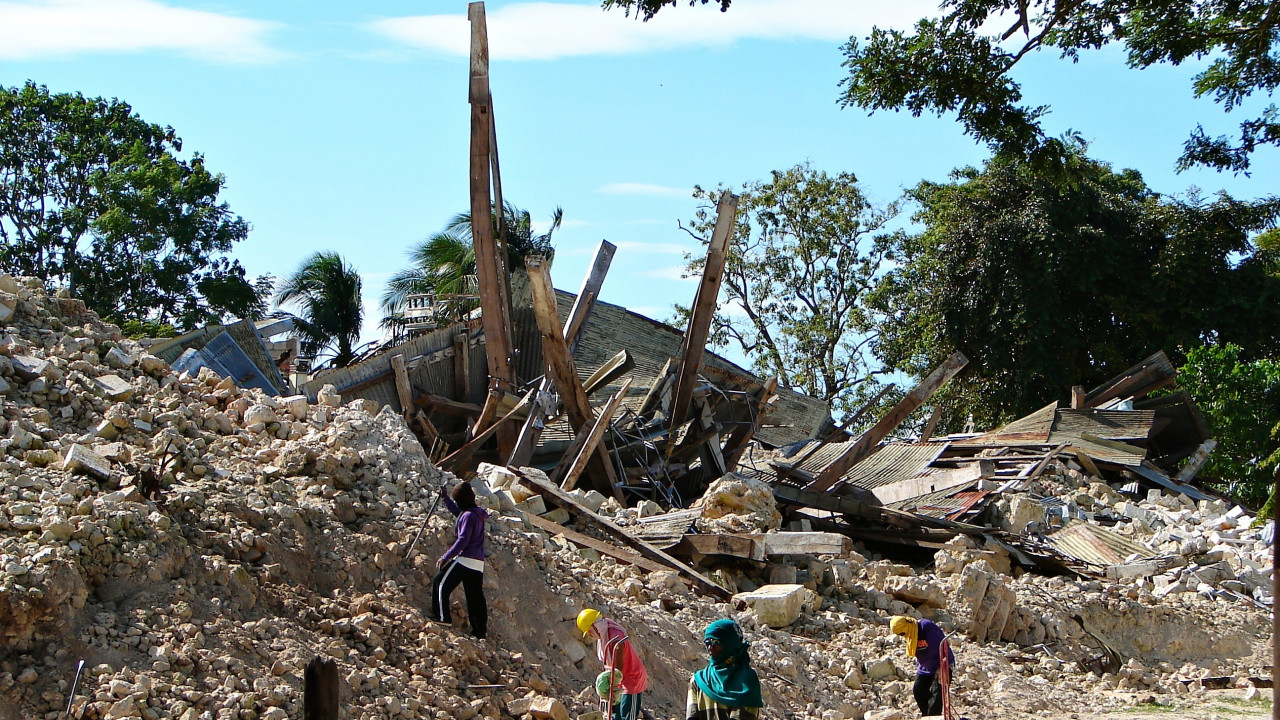
On June 8, 2026, at approximately 7:40 a.m. local time, a powerful 7.8-magnitude earthquake struck off the coast of Mindanao in the southern Philippines.
The disaster killed at least 32 people and injured more than 100 others, causing widespread destruction to buildings and infrastructure. Communities across the Philippines were affected, particularly residents of General Santos, a city of around 722,000 people that experienced some of the most severe damage.
The earthquake originated offshore and triggered tsunami alerts across several parts of Asia due to the risk of large sea waves. The initial quake was followed by more than an hour of aftershocks, according to the Philippine Institute of Volcanology and Seismology (PHIVOLCS), increasing the danger for affected communities and complicating emergency response efforts.
A Long History of Earthquakes and Tsunamis
The 2026 Mindanao earthquake is part of a recurring pattern of devastating seismic activity in Southeast Asia, one of the most geologically active regions on Earth.
Situated along the Pacific “Ring of Fire,” countries like the Philippines and Indonesia frequently experience powerful earthquakes driven by shifting tectonic plates. In October 2025, southern Mindanao was struck by back-to-back 7.4 and 6.8-magnitude earthquakes that triggered tsunami warnings and caused infrastructure damage, while a 6.9-magnitude quake in Cebu weeks earlier killed at least 72 people.
Outside the Philippines, Indonesia has endured even more catastrophic events, including the 2018 Sulawesi earthquake and tsunami, which killed over 4,000 people, and the 2004 Indian Ocean earthquake off Sumatra, a massive 9.1-magnitude event that generated a transoceanic tsunami and claimed over 220,000 lives across multiple countries.
These repeated disasters underscore the region’s persistent exposure to extreme seismic risk.
Underinvestment in Disaster Monitoring Costs Lives
The devastation caused by the 2026 Mindanao earthquake has renewed attention on the long-standing funding challenges faced by PHIVOLCS. For years, the agency operated with limited resources despite its responsibility for monitoring earthquakes, volcanic activity, and tsunami risks across the country. Much of its hazard-monitoring work depended on basic operating budgets and external grants, limiting its ability to expand critical early-warning infrastructure.
Recognizing these shortcomings, the Philippine government passed Republic Act No. 12180, known as the PHIVOLCS Modernization Act, in 2025. The legislation allocates 7 billion pesos over five years, funded separately from the national budget, to modernize the country’s seismic monitoring capabilities.
Planned upgrades include new real-time monitoring stations in remote and high-risk regions, 350-meter-deep boreholes designed to detect subtle underground seismic activity, and advanced technological systems such as marine navigation equipment, backup data-center infrastructure, and machine-learning-based monitoring networks.
While these investments represent a major step forward, the Mindanao disaster demonstrates how years of underinvestment in disaster infrastructure have left vulnerable communities exposed.
Infrastucture Improvements Can Save Lives
While improvements in earthquake monitoring are important, they do not prevent buildings from collapsing. The most significant gap in disaster preparedness in Mindanao was the lack of investment in infrastructure retrofitting and the enforcement of modern seismic standards. Many residential buildings, schools, hospitals, and commercial structures were built before current earthquake-resistant engineering practices became widely adopted, leaving communities exposed to catastrophic structural failure during major seismic events.
Retrofitting involves strengthening existing buildings with reinforced foundations and other structural upgrades designed to absorb seismic energy. Had these measures been implemented across high-risk areas of Mindanao, the scale of destruction could have been significantly reduced. Earthquake monitoring systems can provide warnings and improve emergency response, but they cannot stop poorly designed buildings from collapsing once shaking begins.
The Mindanao earthquake highlights a critical policy imbalance. Funding was directed toward detecting hazards, while comparatively less attention was given to reducing physical vulnerability. In disaster-risk management, the deadliest consequences often arise not from the earthquake itself, but from the failure of the built environment. Without sustained investment in retrofitting codes, communities remain vulnerable even when the hazard is known and monitored.



Loading comments...