

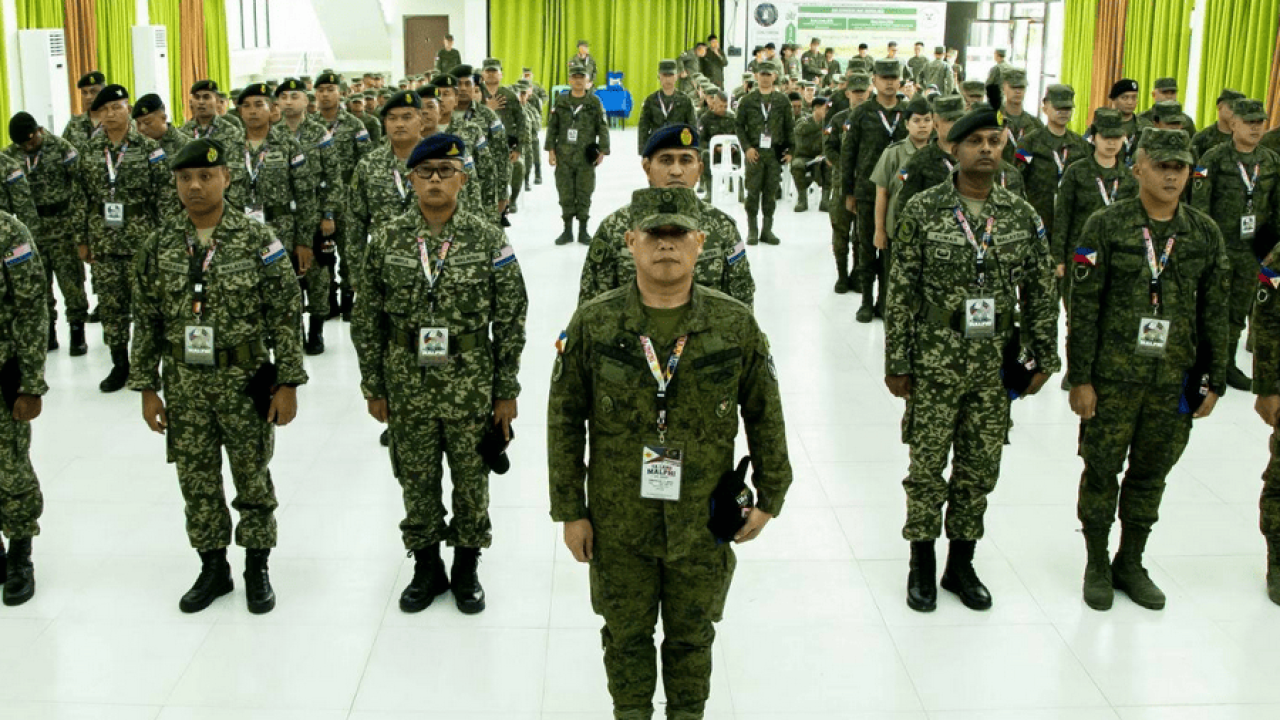
The Philippine Army and the Malaysian Army have launched a12-day joint military exercise in Davao de Oro in the Mindanao region of the Philippines. The exercise highlights the growing defense cooperation between two Southeast Asian neighbors.
The annual activity, known as LAND MALPHI 24/2026, brings together soldiers from both countries to improve coordination, strengthen partnerships, and prepare for shared security challenges. This year's exercise runs from June 1-12 and is taking place at Camp General Manuel T. Yan Sr.
Why Joint Military Exercises Matter
Military exercises are designed to help armed forces work together more effectively during security operations. This year's LAND MALPHI focuses on territorial defense and counter-insurgency operations, two areas that remain important across Southeast Asia.
Twenty personnel from the Philippine Army's 10th Infantry Division are training alongside 20 Malaysian soldiers. Activities include tabletop planning sessions, command post exercises, and exchanges of operational experience. Tabletop planning sessions involve officers working through security scenarios and response plans. Command post exercises simulate military operations, while experience-sharing sessions allow both armies to learn from each other's real-world operations.
By practicing together, the armies can better understand each other's procedures and improve their ability to respond to future security threats.
ASEAN Defense Cooperation Continues to Expand
LAND MALPHI has become a regular feature of military relations between the Philippines and Malaysia, with the exercise hosted alternately by both countries. Beyond military training, local officials in Davao de Oro believe the visit also helps showcase the province's stability and economic potential.
The exercise highlights how defense cooperation can support broader regional relationships, helping Southeast Asian nations build trust, strengthen preparedness, and contribute to long-term stability. Such cooperation is critical, particularly in light of cross-border militant threats and China's growing aggression across the region.


Loading comments...