




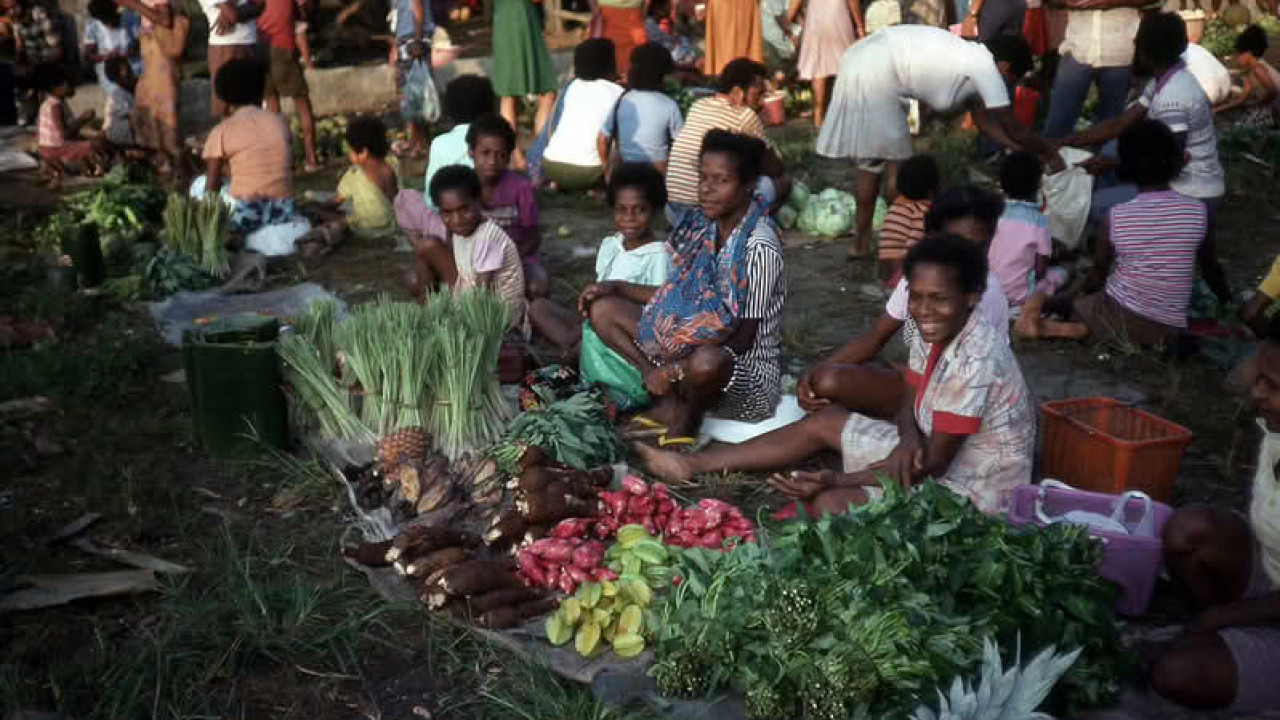
The controversial documentary Pesta Babi (“Pig Feast”), which focuses on West Papua, has ignited debate across Papua New Guinea (PNG) and Indonesia. Humanitarian organizations argue the film sheds light on long-standing issues in the region, while critics say it promotes narratives that undermine Indonesia’s sovereignty and national unity.
The dispute has now moved far beyond film criticism. It has become a broader contest over media credibility, political influence, human rights, and control of one of the world’s most resource-rich regions.
Why PNG and Indonesia Remain Divided on West Papua
The roots of the controversy stretch back decades. West Papua is the western half of New Guinea and is administered by Indonesia. It is separate from the independent state of Papua New Guinea, which lies to the east. Tensions between the two neighbors have often centered on the West Papua conflict, which dates back to Indonesia’s incorporation of the territory in 1969.
The two countries share a 760-kilometer border that has long been marked by security concerns, refugee flows, and periodic political disagreement. While both governments maintain diplomatic relations, West Papua remains one of the most sensitive issues in the region.
Why the Documentary Triggered Backlash
The Pesta Babi documentary follows Indigenous Papuan communities, examining how polluted rivers are affecting public health, worsening food insecurity, and making it harder for families to sustain traditional livelihoods. It also explores links between Indonesia’s energy transition policies and expanding sugar and biofuel industries, some of which involve foreign investment, including from Australia.
Supporters describe the film as an important investigation into the impact of large-scale development in West Papua. Critics argue it presents a one-sided narrative that downplays economic progress and government development efforts.
Some screenings reportedly faced interference by Indonesian authorities, while online debate intensified. The controversy has turned the documentary into a symbol of a much larger struggle over who controls the narrative on West Papua.
Human Rights Concerns Keep International Focus on West Papua
Human rights allegations have played a major role in keeping West Papua in global headlines. Rights groups and activists have repeatedly raised concerns over restrictions on free expression, security operations, discrimination, and the treatment of Indigenous communities. Reports by Amnesty International have also highlighted displacement, land disputes, and tensions linked to major development projects.
Indonesia rejects many of these claims and argues that it is investing heavily in infrastructure, economic growth, education, and public services in West Papua. Supporters of government policy say development projects are essential for improving living standards and connecting remote communities, even amid ongoing social and environmental disruption.
West Papua Becomes a Test of Sovereignty and Media Power
The controversy around the documentary highlights how West Papua has become a contest of competing narratives as much as a political and territorial issue. Both sides are actively shaping how the region is understood, using media and digital platforms to advance contrasting interpretations of events.
Humanitarian organizations argue the film brings attention to overlooked issues, while critics say it reflects a selective framing that serves a political agenda. This has turned the documentary into part of a wider struggle over influence and perception.
Ultimately, the debate shows how quickly narratives themselves can become instruments of power. In the West Papua conflict, shaping the story has become almost as consequential as shaping events on the ground.

Loading comments...