




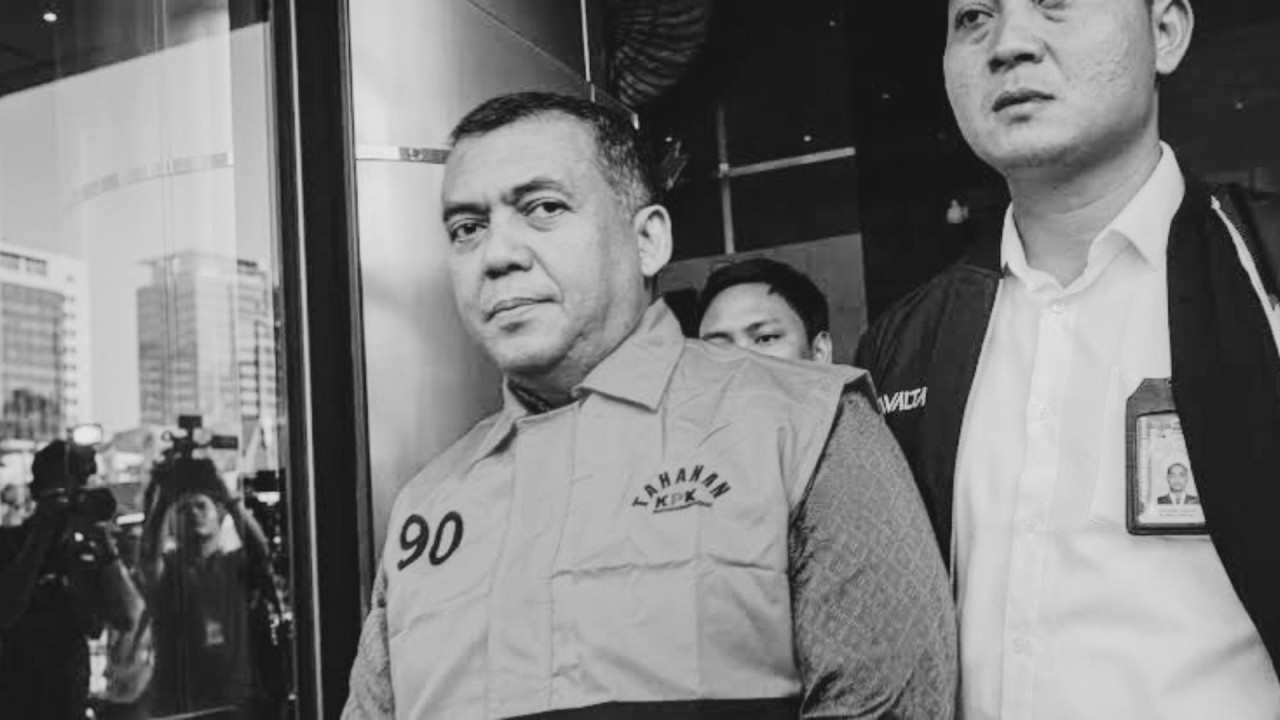
Indonesia’s anti corruption campaign has entered a new phase after authorities arrested several senior officials in early June, including Deputy Immigration Minister Silmy Karim and former leaders connected to the country’s flagship free meals program.
The arrests serve as a test of President Prabowo Subianto’s pledge to strengthen government institutions, raising questions over whether his campaign reflects a genuine effort to improve accountability or a selective use of anti-corruption powers.
The Reasons for Indonesia’s Anti-Corruption Push
Indonesian authorities are investigating whether officials involved in major state programs and administrative decisions engaged in improper influence, misuse of authority, or financial misconduct. The alleged offenses linked to former immigration director general Silmy Karim reportedly occurred between 2023 and 2024, during the administration of then-President Joko Widodo.
The investigation has brought renewed attention to oversight failures in government programs and the management of public resources. The crackdown expanded on June 3, 2026, when the Attorney General’s Office arrested Dadan Hindayana, former head of the agency overseeing President Prabowo’s free meals program aimed at tackling malnutrition, alongside two other suspects in a separate corruption case.
The cases involve two high-profile areas of government policy: immigration administration and social welfare spending. Their connection to major national programs has increased scrutiny over whether Indonesia’s institutions can prevent corruption risks in large-scale state initiatives.
Genuine Crackdown or Selective Effort?
Indonesia’s latest corruption investigations reflect a wider regional struggle to balance political authority with institutional accountability. Across Southeast Asia, governments have faced challenges in addressing allegations involving senior officials and the use of public funds.
A key comparison is Malaysia’s 1MDB scandal involving former Prime Minister Najib Razak, where allegations of financial misconduct became one of the country’s most significant political and governance crises. The case highlighted the difficulty of pursuing accountability when corruption allegations involve powerful political figures.
Indonesia’s current investigations carry similar implications. Beyond the individual arrests, they will shape perceptions of whether anti-corruption institutions can operate independently and apply enforcement consistently. The outcome will be an important test of whether Prabowo’s administration can turn anti-corruption commitments into lasting institutional reform.


Loading comments...