




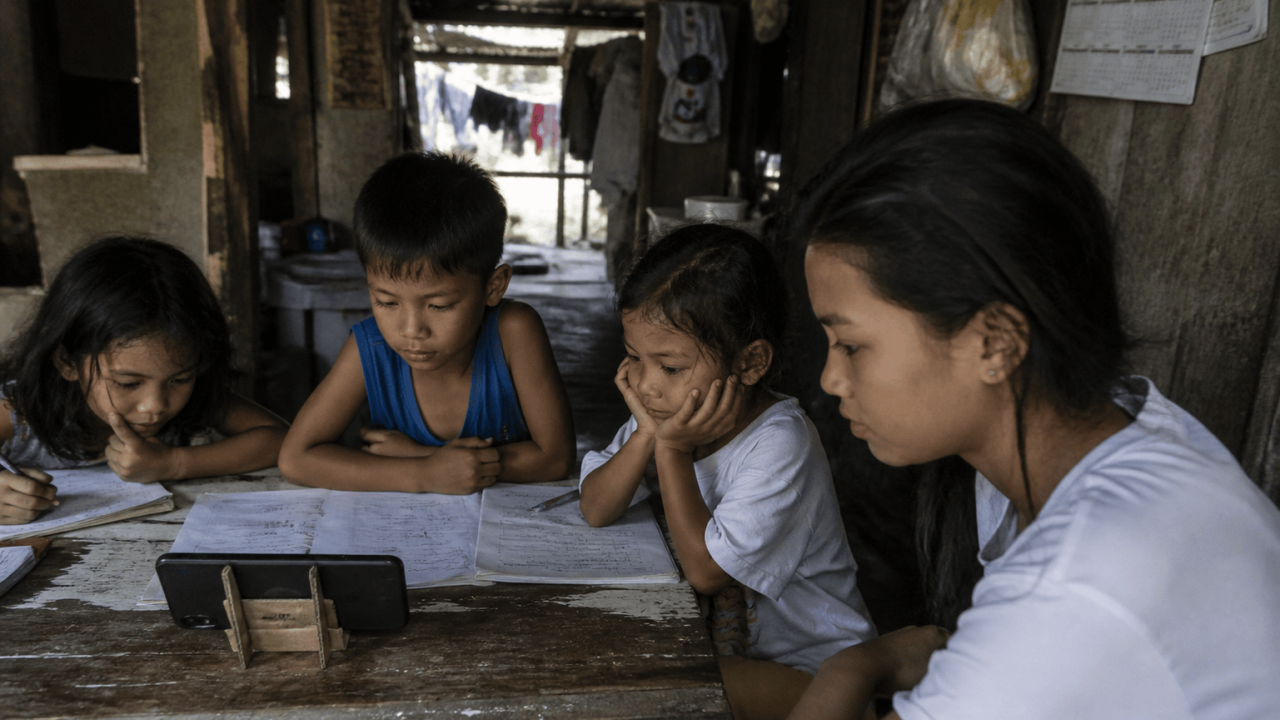
Across Southeast Asia, education has shifted beyond classrooms and textbooks. Schools now depend on digital platforms, online assignments, and virtual tools. This change accelerated during the COVID-19 pandemic, but it has not slowed down. Digital learning is now part of daily school life.
Unfortunately, access has not kept pace. For many low-income families, one device must serve several children. In some homes, there is no suitable device at all. This gap is creating a new layer of inequality across the region.
Today, digital poverty is becoming a structural barrier that shapes how students learn, perform, and plan their future.
What Is Digital Poverty and Why It Matters for Education
Digital poverty refers to limited access to devices, the Internet, and digital skills. In Southeast Asia, this often means students rely on shared smartphones or unstable connections to complete schoolwork.
In Malaysia, Indonesia, and the Philippines, many
...

Loading comments...