




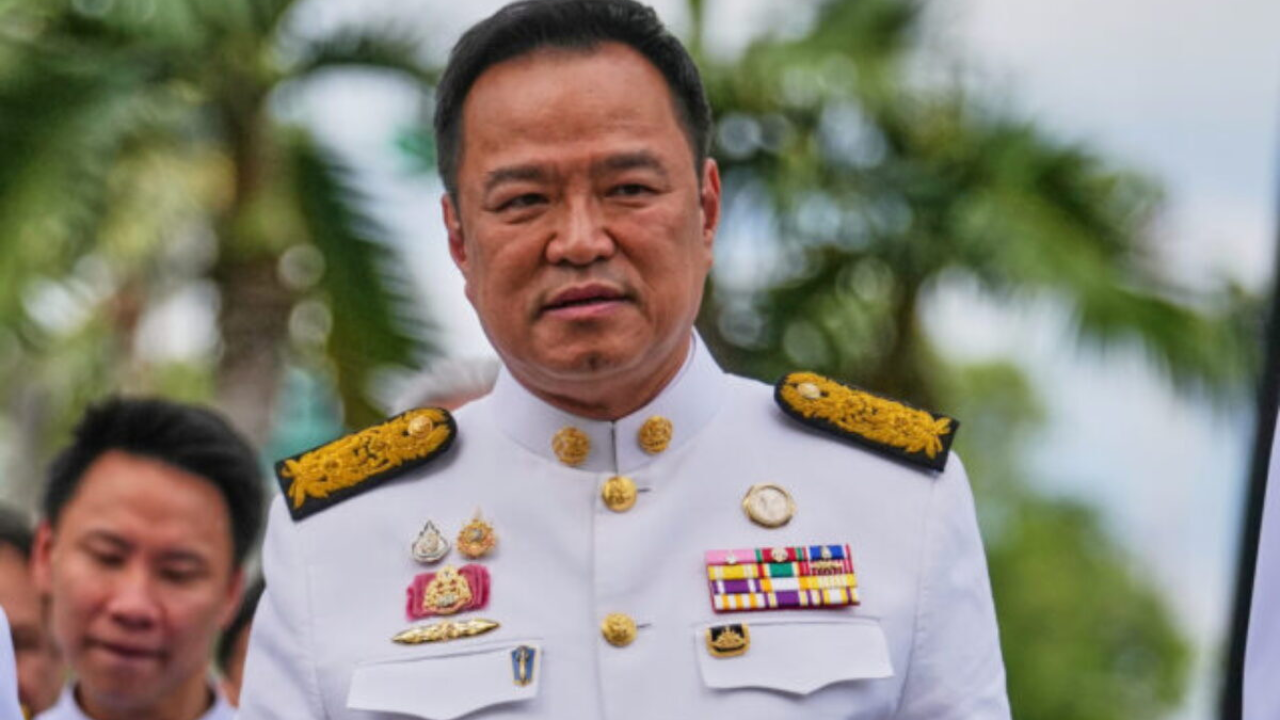
Thailand has entered a new political phase, but the economic backdrop is becoming more difficult. Prime Minister Anutin Charnvirakul secured a strong election victory in February and has now been officially endorsed by parliament. His conservative bloc, supported by key allies, controls the legislature. The result reflects a public preference for stability after years of political uncertainty.
However, the transition in leadership is happening at a time of growing economic strain. While the political situation appears stable on the surface, underlying pressures in growth, household finances, and external risks are intensifying.
Domestic Economy: Slow Growth and Household Pressure
Thailand’s economy continues to grow slowly, with forecasts between 1.6%-2% for 2026. This is not a recession, but it reflects weak momentum compared to regional peers. The slowdown is increasingly visible in daily life.
Household debt remains high, while wage growth has not
...

Loading comments...