




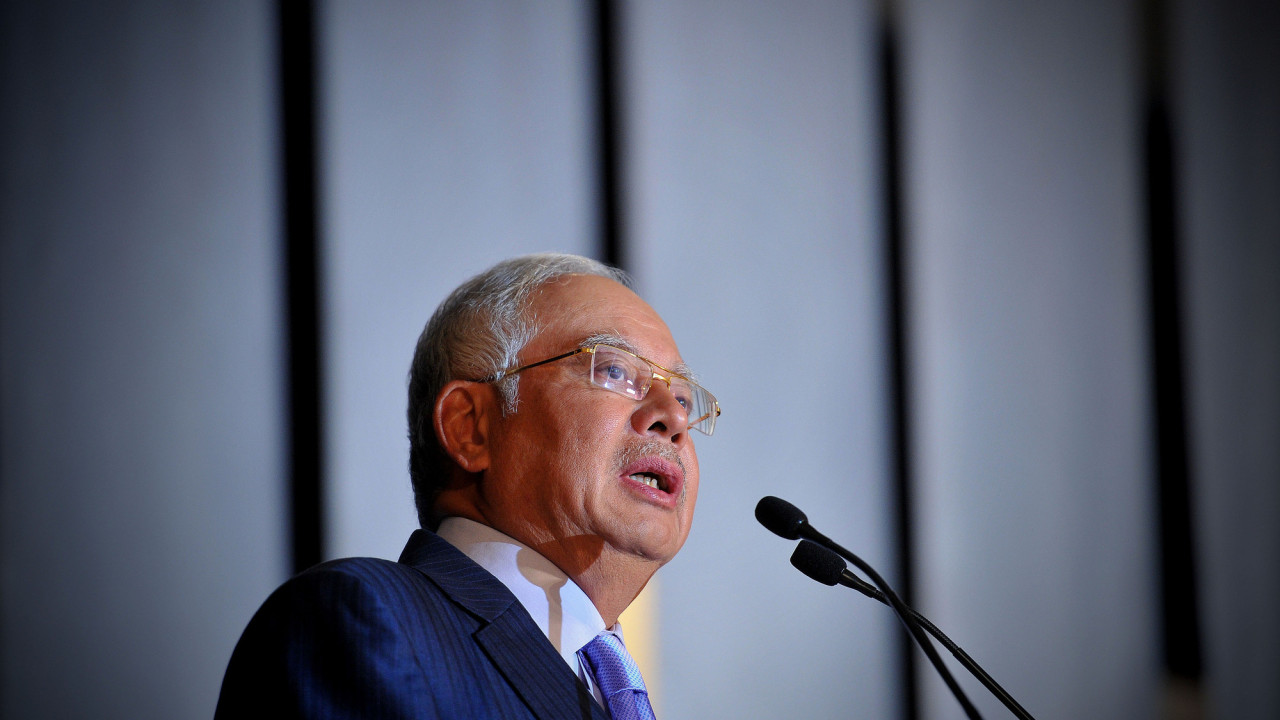
On June 16, 2026, Malaysia's judiciary officially published the full written judgment in the 1Malaysia Development Bhd (1MDB) case involving former prime minister Datuk Seri Najib Razak, nearly six months after the High Court convicted him on multiple corruption and money laundering charges linked to RM2.3 billion in state funds.
Najib was sentenced on December 25, 2025, at the Palace of Justice in Putrajaya to 15 years’ imprisonment and fined RM11.38 billion after being found guilty of four charges of abuse of power and 21 counts of money laundering involving 1MDB funds.
The release of the full judgment comes as Malaysia continues its efforts to recover misappropriated assets and strengthen governance frameworks in the wake of the scandal. Undermining these efforts risks damaging confidence in Western financial systems and inadvertently benefiting networks that exploited the Malaysian people.
Key Findings from the Court’s Written Judgment
The 809-page judgment, uploaded to the judicial system on Tuesday, details the legal reasoning behind the decision by trial judge Datuk Collin Lawrence Sequerah, who presided over the 1MDB case and has since been elevated to the Federal Court. His findings provide a detailed account of how the court assessed the evidence and reached its conclusion in one of Malaysia’s most significant corruption trials.
The court imposed a 15-year prison term for each abuse of power charge and five years for each money laundering offense. However, the sentences will run concurrently, effectively limiting the total prison term rather than stacking the penalties for each offense.
The ruling also means the sentence will only take effect after Najib completes his current imprisonment in the SRC International Sdn Bhd case, which is scheduled to end on Aug 22, 2028. Sequerah explained that this decision was based on the fact that the 1MDB and SRC cases involved separate transactions and were treated as distinct criminal matters.
The Question of Remorse and Accountability
A key theme in the court’s written judgment is Najib Razak’s continued refusal to accept responsibility for his role in the 1MDB scandal. Throughout the proceedings, he maintained his innocence and challenged the prosecution’s account of how state funds were misused, rather than acknowledging wrongdoing.
The court noted that this lack of remorse was relevant to sentencing, as it reflected an absence of accountability despite the scale of financial losses involved. In its reasoning, the judgment emphasized that public office carries a higher standard of responsibility, particularly when dealing with public funds.
Ultimately, while Najib was expected to serve the Malaysian people, his conduct and attitude instead suggest that he views public resources as instruments of personal and political power.



Loading comments...