




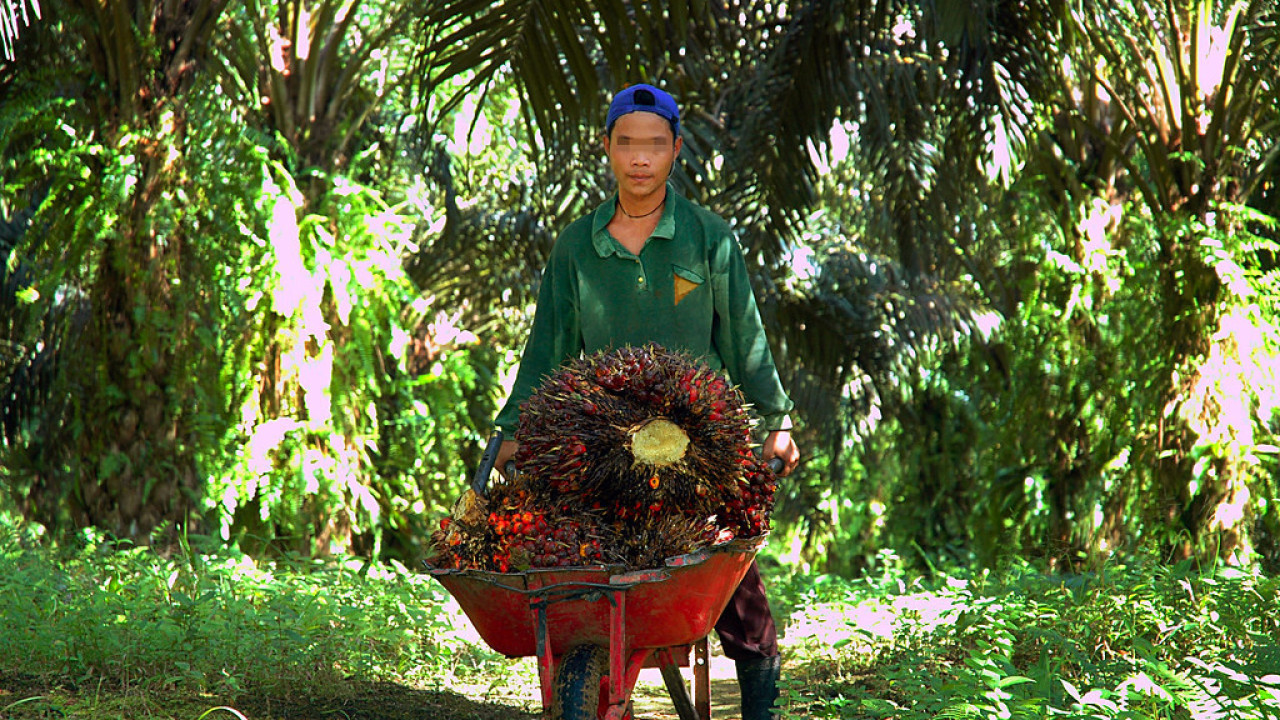
Indonesia is taking a bold step to tighten control over some of its most valuable exports. The government is creating a new state-backed system to monitor shipments of palm oil, coal, and ferro-alloys (a type of iron alloy) after years of lost revenue linked to under-reporting and illegal activity.
Officials say stronger oversight could help protect billions of dollars in state income. However, increasing government control over exports could create new risks for businesses and foreign investors.
Revenue Losses Put Pressure on Jakarta
Indonesia's resource sector has long faced problems with export under-reporting and tax evasion. Companies have sometimes declared lower export values or volumes than what was actually sold, reducing state revenue and foreign-exchange earnings.
Government estimates suggest that under-invoicing and trade misreporting have cost Indonesia as much as $908 billion over the past three decades. Other audits estimate that illicit financial flows linked to commodity exports drain roughly $6.5 billion every year.
These losses matter because every dollar lost through weak oversight reduces funds available for infrastructure, public services, and future development.
Massive Crackdown Targets Illegal Operations
President Prabowo Subianto has already launched one of the largest enforcement campaigns in Indonesia's history. A military-backed task force has seized more than 4.1 million hectares of illegal plantations and mining sites.
Many of the operations were producing palm oil inside protected forest areas without permits. Illegal coal mining has also been a major concern because coal remains Indonesia's largest export earner.
The campaign signals that Jakarta wants tighter control over the entire commodity supply chain, from production sites to export terminals. Supporters argue that stronger enforcement can help create a fairer market and improve transparency.
State Export Monopoly Sparks Debate
The most controversial change arrived with new export regulations announced on June 8, 2026, which require exporters to report their activities to a government-appointed state firm. An even bigger shift will come on January 1, 2027. From that date, only the designated state company will be allowed to export palm oil, coal, and ferro-alloys.
To some extent, the new policies are expected to reduce revenue leakage and improve oversight. However, this specific development does raise some potential red flags about the level of government control. The clear comparison is Venezuela's oil sector, where heavy government intervention ultimately led to declining production, legal disputes, and the departure of foreign expertise and investment.
Indonesia is not following that exact path, yet concerns could grow if export centralization expands into broader state ownership or starts to limit private-sector participation. These concerns could become especially acute in light of currency pressures, new deals concerning the Malacca strait, and rupiah weakness already straining investor confidence and trade stability. The long-term outcome will depend on whether the new system remains transparent, predictable, and competitive.
As the country moves toward a state-controlled export model in 2027, global markets will be watching closely to see whether Indonesia strengthens transparency or creates new barriers to trade.


Loading comments...