




LATEST PULSE
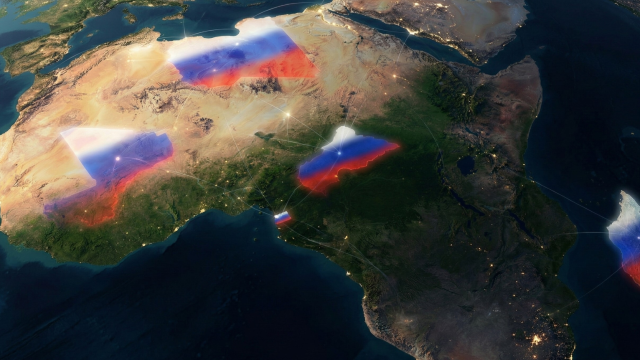
Russia’s New Shadow Strategy in Africa: How Moscow Is Replacing the West
Russia is quietly taking over security roles once dominated by the United States and Europe in Africa. Instead of sending official troops, Moscow relies on hired fighters, proxy militias, and security contractors to protect leaders, fight rebels, and train armies. The payoff is political influence, access to natural resources, and loyal partners in global diplomacy. For many African leaders, this is an attractive bargain. For Western powers, it r...
Read More →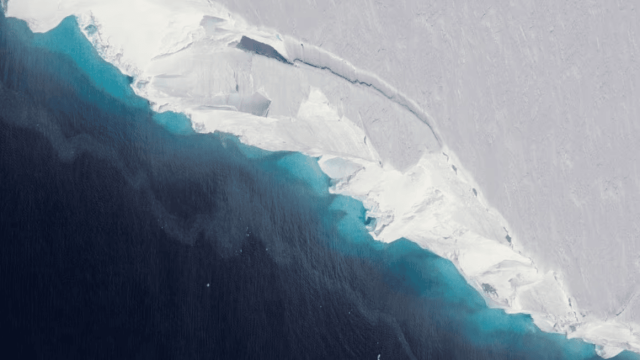
Doomsday Glacier Melt Could Redraw Southeast Asia’s Coastline
The melting ice at the edge of Antarctica could reshape Southeast Asia far sooner than expected. New research shows that fast underwater turbulence is accelerating the loss of two of the world’s most fragile glaciers — and the consequences may hit the Philippines and its neighbors hard. Underwater Storms Cutting Into Antarctica’s Ice Scientists have discovered that when warm and cold waters collide deep in the Southern...
Read More →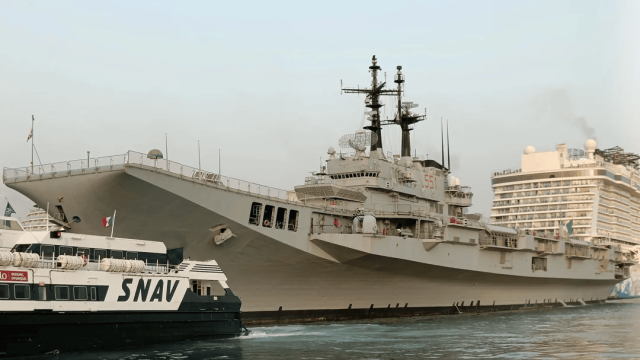
Indonesia’s Aircraft Carrier Gamble: Power Move or Costly Prestige Project?
Indonesia is preparing to operate its first aircraft carrier, accepting the decommissioned Italian vessel Giuseppe Garibaldi as a grant from Rome. The 180-meter warship, which served Italy from 1985 to 2024, is expected to arrive in Indonesia by October of this year. If fully operational, Indonesia would become only the second Southeast Asian country after Thailand to field an aircraft carrier. In Asia, only China, India, and Japan curre...
Read More →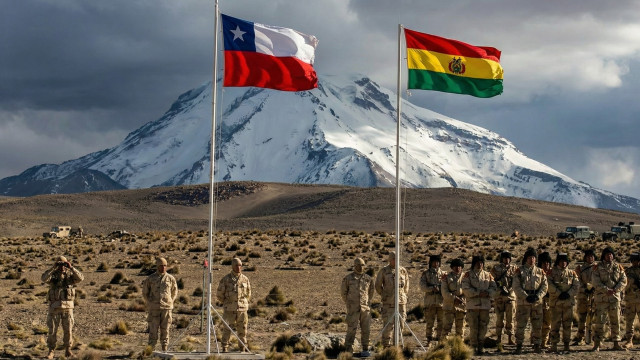
Bolivia Shifts Strategy in Historic Sea Dispute With Chile
More than 140 years after losing its Pacific coastline to Chile and becoming a landlocked country, Bolivia is trying a new approach. Instead of focusing solely on reclaiming sovereign sea access, Bolivian President Rodrigo Paz is promoting a pragmatic economic plan: offering Chile access through Bolivian land corridors to connect Pacific ports with Brazil’s vast markets. From Old Rivalry to Surprise Partnership For generations, Bo...
Read More →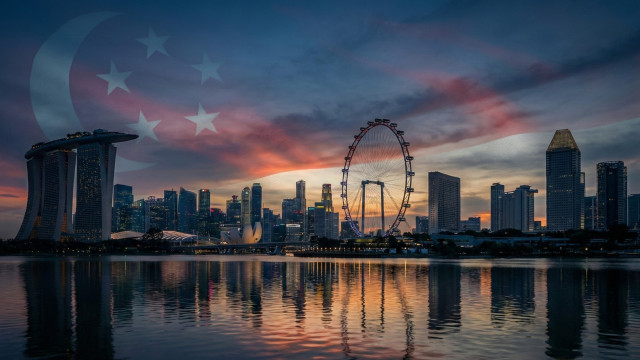
How Singapore Learned to Survive Between Bigger Powers
Singapore is a small island with few natural resources and little room for mistakes. From the day it became independent, it learned that survival would depend not on size or power, but on discipline, flexibility, and a clear understanding of the world around it. This lesson from the uncertain 1960s still guides the country today as rivalry between the United States and China grows stronger, pushing Singapore to use the same approach to stay impor...
Read More →