




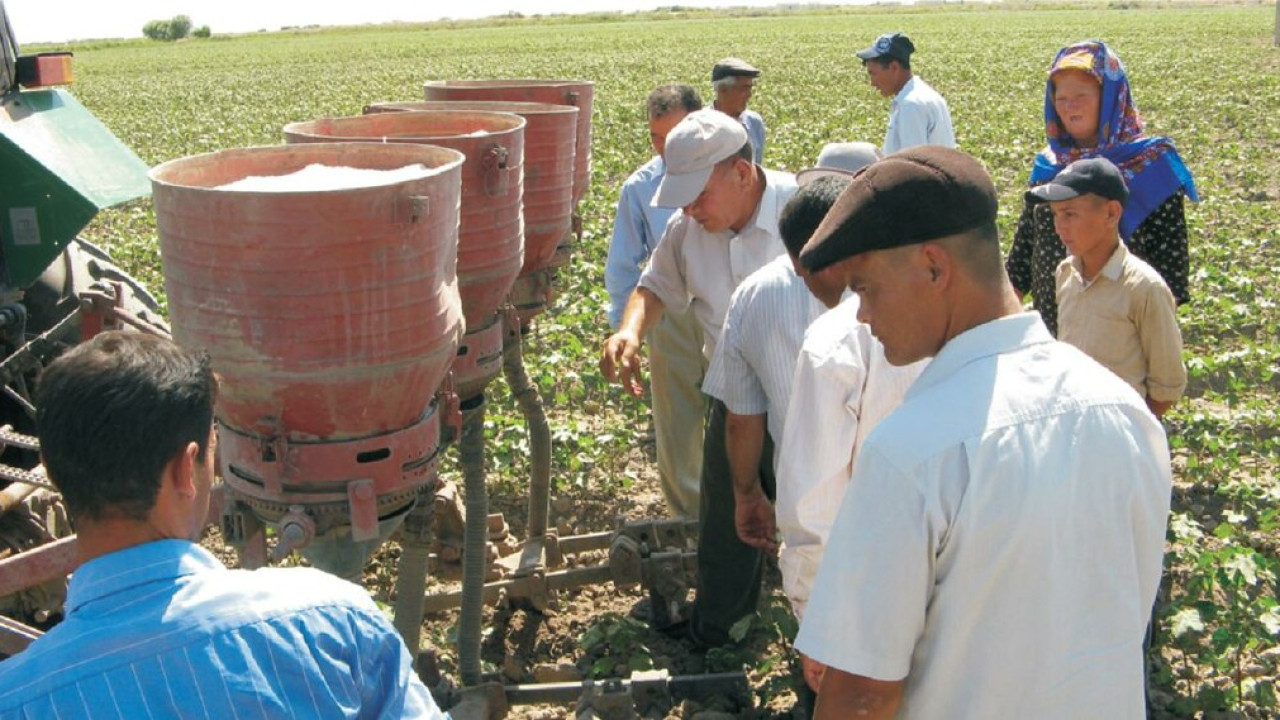
Cotton is one of Turkmenistan’s most important exports and a major source of income for rural communities. The crop supports jobs, generates foreign currency, and plays a significant role in the country’s agricultural economy. Yet despite years of international scrutiny and recent reform efforts, concerns about labor practices in the industry continue to attract attention.
New reports published in 2026 suggest that forced labor remains a challenge in parts of the sector, raising questions about how quickly change can happen in a system that has operated for decades.
Cotton Is Vital to Turkmenistan’s Economy
Agriculture accounts for around 12% of Turkmenistan’s GDP with cotton standing alongside wheat as one of the country's two most important crops. The government continues to invest heavily in agricultural modernization, climate resilience, and improved farming techniques.
In April 2025, the Food and Agriculture Organization, a United Nations agency that works with governments to improve farming, food security, and rural development, launched projects with Turkmen authorities aimed at modernizing cotton production. The initiatives include training farmers on more efficient irrigation methods to reduce water waste, supporting research into climate-resilient cotton varieties, and introducing better pest management techniques to reduce crop losses while lowering reliance on harmful chemicals.
But cotton is more than just an agricultural product. It is also a strategic export. Turkmen cotton and textile products are sold to markets including Turkey, Pakistan, and parts of Europe. Because some of these countries, particularly European ones, have certain labor standards that imports must meet, the labor conditions in the sector increasingly affect Turkmenistan's international economic relationships.
Reports Highlight Continuing Labor Challenges
Despite efforts to improve oversight, several monitoring groups reported that public sector employees were mobilized during the 2025 harvest season. According to findings published by the Cotton Campaign coalition, teachers, doctors, nurses, utility workers, and other state employees were allegedly forced by the government to pick cotton or personally pay for replacement workers. Independent reports also described daily collection quotas that they were required to meet.
This issue is not new. Cotton harvesting across Central Asia was historically shaped by Soviet-era production systems that prioritized meeting state targets. During the Soviet Union, which governed the region until 1991, agricultural production was centrally planned by the state. Farmers and local officials were expected to meet government-set cotton quotas, often with little flexibility, creating a culture where production targets took priority over market forces and individual decision-making. It was common during this time for workers from other sectors to be forced to participate in cotton picking.
New Reforms Face a Critical Test
Despite the ongoing challenges, there are signs of growing international engagement on the issue. In May 2026, the International Labour Organization and the European Union launched a new two-year project focused on preventing child labor and forced labor in Turkmenistan's cotton industry.
The initiative aims to strengthen labor laws, improve oversight mechanisms, raise worker awareness, and support international labor standards. Turkmen officials have publicly expressed support for these goals and linked the project to broader labor market reforms through 2030.
Whether these measures produce lasting change remains an open question. Critics argue that meaningful reform requires stronger accountability and greater transparency, while supporters point to increasing cooperation with international organizations as evidence of progress.



Loading comments...