




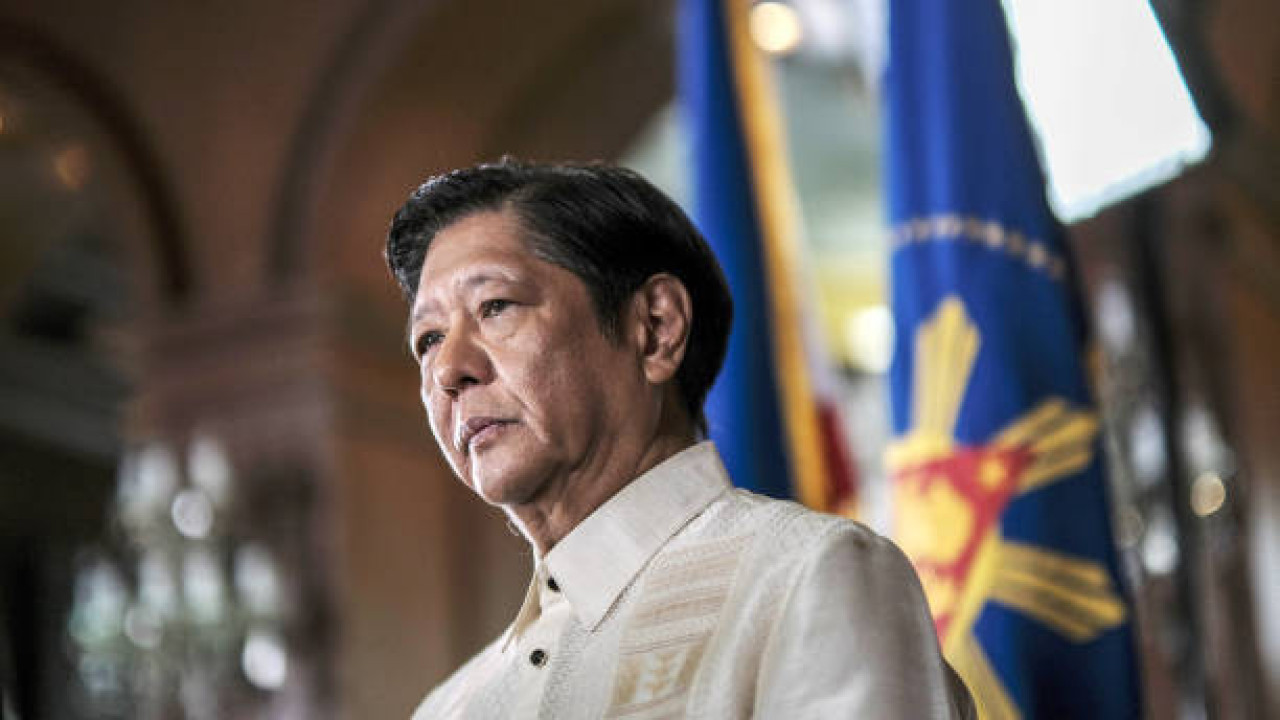
On June 15, 2026, the Department of Foreign Affairs (DFA) announced the beginning of a two-day visit with Russia's President, Vladimir Putin. With talks being held in Kazan (Russia), both counterparts are aiming to strengthen ties based on food and energy security, two relevant matters of mutual interest.
This announcement comes at a time where the Philippines, and other South-East Asian nations, are actively seeking new economic and militaristic partnerships amid growing international conflicts, environmental instability and regional security concerns regarding the South China Sea.
From June 17-18, both nations are expected to attend the ASEAN-Russia Commemorative Summit. This event will further symbolize the 35th anniversary of ASEAN-Russia relations, establishing a harmonious setting to foster productive political and economic conversations.
Nuclear Energy at the Forefront of Conversations
Nuclear energy is expected to be the center of attention concerning both countries. As the Philippines aims to diversify their network of energy production, Russia witnesses an attractive economic opportunity to infiltrate a market previously self-restricted to China and their mutual relationship on LNG.
National conversations concerning the development of nuclear energy plants have risen as a bi-product of the economic spillovers generated by the Strait of Hormuz crisis.
Since April 2026, the Strait of Hormuz closure has generated massive financial and operational losses for the Philippines, primarily driven by a 59% surge in oil prices and severe supply chain disruptions. The impact has been severe for the Philippines, which imports 95-98% of its crude oil from the Middle East. Moreover, 97% of its liquid petroleum products from Asian refineries also depend on Gulf crude imports, further exacerbating the impacts the Hormuz closure.
Why Nuclear Discussions Are Returning
The last time nuclear energy was considered as a viable alternative occurred after the 1973 oil crisis. From 1974 to 1984, President Marcos Sr. carried out the infrastructural development of the Bataan Nuclear Power Plant, constructed 100 kilometers from Manila.
However, this government project was mothballed due to safety concerns following the 1986 Chernobyl disaster, the discovery of over 4,000 construction defects, and widespread allegations of corruption and kickbacks involving the Marcos regime.
In the end, Marcos's failed nuclear power plant deepened the country's national debt by $2.3 billion.
Food Insecurity in the Philippines is Russia's Fault
Since Russia's invasion of Ukraine in February 2022, Ukraine's global export rates concerning wheat, seeds, and more, have steadily declined. According to a January 2026 report from the European Council, Ukraine was historically one of the world's leading grain exporters and critical to Asian and African food supplies, with 92% of its wheat exports going to those two continents. The Philippines alone accounted for 6% of global Ukraininan exports.
Since 2022, Ukraine's ability to ship food to the world has been severely affected by Russia's naval blockade in the Black Sea, as well as the continuous military presence in the country.
Who Could Benefit the Most?
Ultimately, the timing of the Marcos-Putin meeting raises important questions regarding who stands to benefit most from any future agreement. While Manila seeks solutions to its growing energy and food security concerns, both issues have been exacerbated by Russia's actions abroad, particularly its invasion of Ukraine and the resulting disruptions to global commodity markets.
A potential nuclear energy partnership should therefore be approached with caution. Russia has frequently used its energy sector to expand its geopolitical influence, while the Philippines continues to carry the legacy of the Bataan Nuclear Power Plant—a project associated with corruption allegations, financial mismanagement, and long-term debt. These historical precedents make careful oversight essential.
The fact that Marcos is also expected to attend a business forum with major Russian companies offers further reason for scrutiny. At a time when sanctions have limited Russia's access to many Western markets, deeper economic engagement with the Philippines represents a strategic opportunity for Moscow. As a result, Russia appears positioned to gain the most from these negotiations, while the long-term benefits for the Philippines remain uncertain.

Loading comments...