




Global Watch
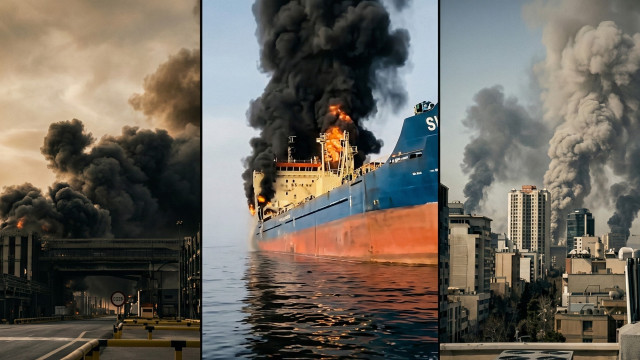
World War 3? Israel and the United States Strike Iran as Regional Escalation and Oil Shock Spread
The Middle East is entering one of its most unstable periods in decades, with dramatic consequences already extending well beyond the region. The turning point came last Friday in Geneva, where negotiations between Washington and Tehran collapsed. Iran’s foreign minister accused the United States of making “excessive demands.” Less than 24 hours later, Israel and the United States attacked. The shift did not come withou...
Read More →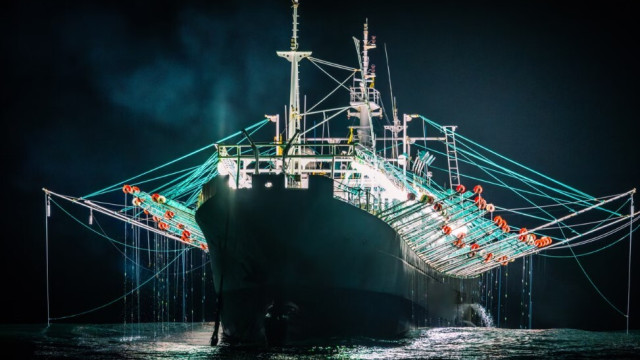
China’s Global Fishing Armada and Its Strategy to 'Quietly' Steal the Seas
Every year, Chinese fishing boats extract millions of tons of seafood from oceans far from home. Squid from the South Atlantic. Tuna from the Pacific. Catch from waters off West Africa, Latin America, and increasingly near the Arctic. China operates the largest "distant-water" fishing fleet in history. Estimates of its size range from roughly 2,000 core vessels to more than 16,000 when militia-linked and foreign-flagged ships are include...
Read More →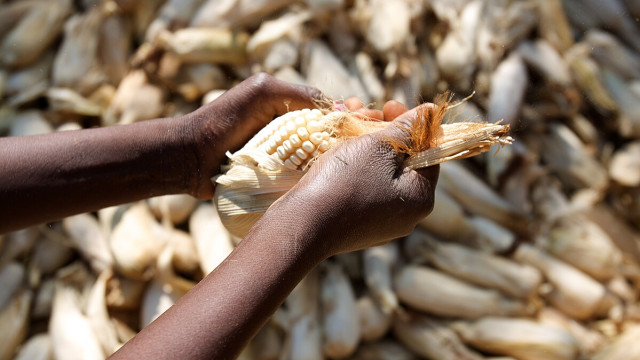
The Politics of Corn: How Climate Change Is Turning Food Into a Global Risk
Corn is one of the world’s most important food crops. It feeds billions of people, supports livestock, and is used for fuel and industry. But climate change is putting corn under serious threat, turning a basic food into a growing geopolitical problem. Why Corn Is at Risk Corn needs large amounts of water to grow. As droughts and heatwaves become more common, corn harvests are shrinking in many parts of the world. This is especial...
Read More →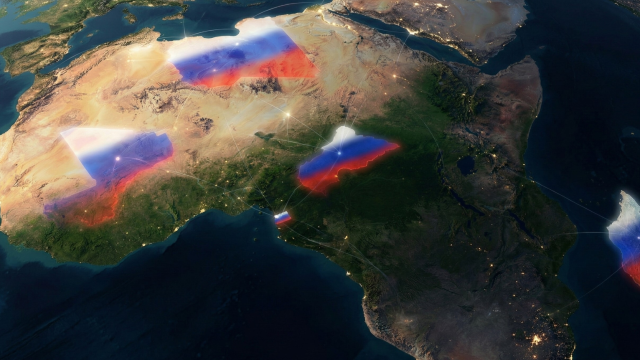
Russia’s New Shadow Strategy in Africa: How Moscow Is Replacing the West
Russia is quietly taking over security roles once dominated by the United States and Europe in Africa. Instead of sending official troops, Moscow relies on hired fighters, proxy militias, and security contractors to protect leaders, fight rebels, and train armies. The payoff is political influence, access to natural resources, and loyal partners in global diplomacy. For many African leaders, this is an attractive bargain. For Western powers, it r...
Read More →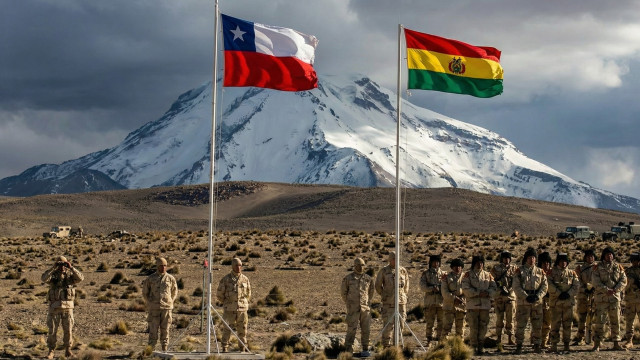
Bolivia Shifts Strategy in Historic Sea Dispute With Chile
More than 140 years after losing its Pacific coastline to Chile and becoming a landlocked country, Bolivia is trying a new approach. Instead of focusing solely on reclaiming sovereign sea access, Bolivian President Rodrigo Paz is promoting a pragmatic economic plan: offering Chile access through Bolivian land corridors to connect Pacific ports with Brazil’s vast markets. From Old Rivalry to Surprise Partnership For generations, Bo...
Read More →