




Global Watch

The Crisis Turning FIFA’s 2026 World Cup Into a Political Nightmare
The 2026 World Cup was supposed to be FIFA’s safest bet: a giant tournament across the United States, Canada, and Mexico, built around existing stadiums and one of the richest sports markets on earth. But FIFA is not just running a football tournament. With 211 member associations, more than the United Nations, and billions of dollars tied to broadcasting, sponsors, and hosting rights, FIFA has become a global power broker in its own right...
Read More →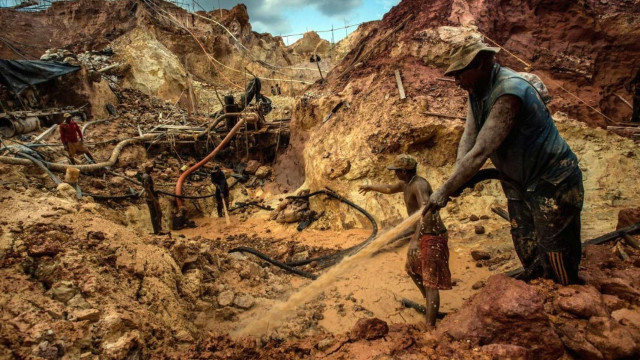
Why Illegal Gold May Be More Dangerous Than Cocaine in Latin America
Illegal gold is becoming one of the biggest drivers of organized crime in Latin America, and in many ways, it may be even harder to stop than cocaine. Across the Amazon and beyond, criminal networks, smugglers, and corrupt officials have found a commodity that is easy to move, easy to sell, and extremely difficult to trace once it enters the legal market. The result is accelerating deforestation, poisoned rivers, growing pressure on Indi...
Read More →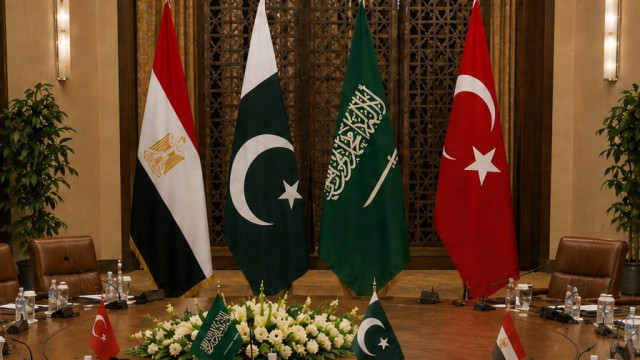
New Middle East "Quadrilateral" Forms Amid Ongoing Iran War
A new informal Middle Eastern quadrilateral is taking shape as the war involving the US, Israel, and Iran continues to unfold. Egypt, Pakistan, Saudi Arabia, and Turkey are increasing their diplomatic coordination while conflict across the region remains active and uncertain. The group is not a formal alliance, but it reflects growing pressure to respond to an ongoing war that is still reshaping security, energy flows, and regional polit...
Read More →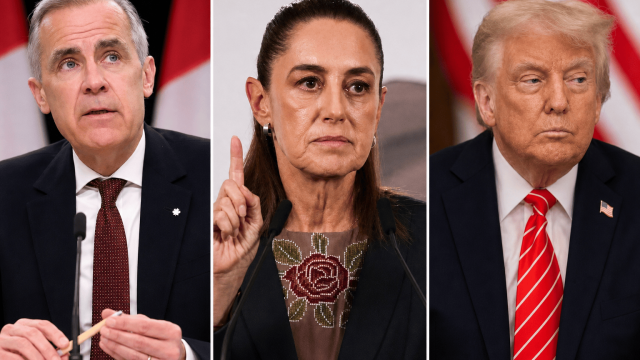
North America’s Trade Pact Faces Its Biggest Test in Decades
For more than 30 years, the economies of the United States, Mexico, and Canada have been tied together through a shared trade system designed to move goods, investment, and manufacturing more easily across North America. That system began with the North American Free Trade Agreement (NAFTA) in 1994. The deal greatly expanded regional trade, but it also became politically controversial in parts of the United States, where critics blamed i...
Read More →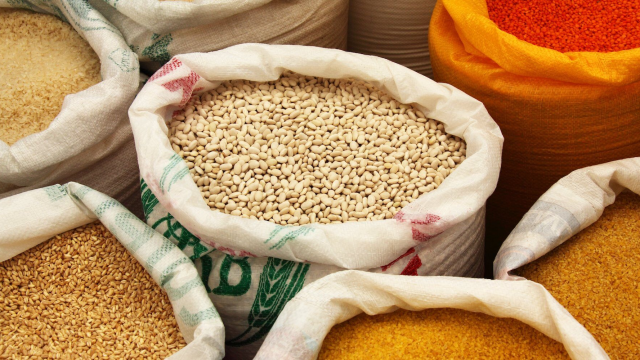
Iran Conflict Disrupts Gulf Food and Fertilizer Flows, Raising Global Food Security Risks
The ongoing Iran war is reshaping global food security through disruptions that extend far beyond the Middle East. As tensions affect shipping routes, especially the Strait of Hormuz, supply chains that normally move food, fertilizer, and energy through the Gulf are becoming increasingly unstable. For Southeast Asia and other import-dependent regions, the timing is very bad. These economies rely heavily on global grain and fertilizer mar...
Read More →