




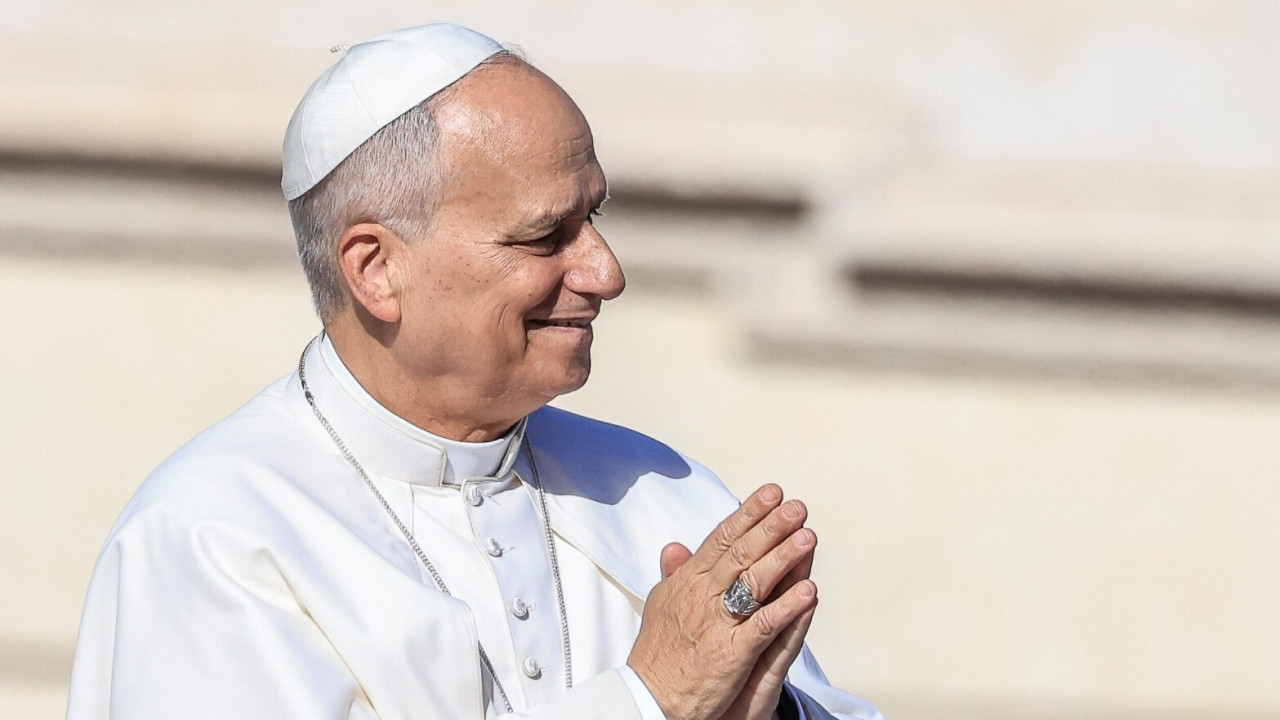
Pope Leo XIV has used his first encyclical, Magnifica Humanitas (meaning “Magnificent Humanity”), to warn that artificial intelligence could move from serving humanity to controlling it, with a handful of powerful companies shaping how people work, think, fight, and live.
The warning was even sharper because Chris Olah, the cofounder of Anthropic, took part in the Vatican presentation. Anthropic is one of the two biggest AI companies in the world. Olah's presence underlined how even the people building AI are afraid of it.
AI Power Is Moving Into Too Few Hands
Pope Leo’s biggest concern is power. He warned that a small handful of private companies now control much of the AI world. This means that those few companies have the power to shape what people see, how they work, what they believe, and how much control they still have over their own choices.
The Pope says these problems cannot be glossed over with company promises about “ethical AI.” He wants governments to take AI back from the companies racing to control it, before private power becomes too big for the public to challenge.
That is where Olah’s presence mattered. The Vatican did not present him as proof that Anthropic had papal approval. He was there because the Church has been speaking with Silicon Valley for years about the human cost of AI, and because this debate cannot happen without the builders of AI in the room.
Notably, Anthropic is also in a legal and moral clash with the Trump administration after refusing to allow unlimited military use of its technology. That made Olah’s remarks even more striking.
Even AI’s Builders Say They Need Outside Guidance
Olah gave the encyclical its strongest confirmation from inside the AI industry. He said every major AI lab, including Anthropic, works under pressure to survive as a business, and deal with ordinary human ambition.
One of his main points was that good intentions are not enough. The AI industry needs people outside the business who can watch developments closely and say hard things when companies get off track.
Olah also rejected the idea that AI should be left only to computer scientists. He said AI models are not built like bridges or airplanes, where engineers understand every part. They are more like systems that grow after being fed huge amounts of human language. This means inputs should include experts from many fields, including education, philosophy, and more.
Even the people who train them, he said, do not fully understand what is happening inside them. If the builders themselves admit they do not fully understand what they are creating, society cannot afford to look away.
Workers, Children, and Most of Humanity Face the First Risks
Pope Leo XIV also warned that workers will likely become the first human casualties of the AI race. As AI advances, humans may be replaced as companies chase higher profits.
Olah pushed the concern further. He said AI will replace human labor on a very large scale, while most of the money and control remaining in rich countries.
Children are also in danger. The Pope warned that fake profiles, harmful algorithms, and AI tools that manipulate images and videos will make child grooming, blackmail, and exploitation worse.
The Vatican Draws a Red Line on AI War
During this speech, Pope Leo XIV’s drew a strong red line. He said machines must not be allowed to make lethal decisions that cannot be reversed. He warned that AI will feed a more violent world if governments and companies race ahead without clear rules. He wants responsibility to reach everyone involved, from those who build the systems to those who approve and use them.
His encyclical also warned that AI can spread fake content, weaken democracy, and increase pressure on the environment because data centers consume huge amounts of energy and water.
The document closes with a striking admission: Leo XIV says the Holy See helped legitimize slavery and asks forgiveness in the name of the Church. That final move gives the document a wider message: powerful institutions must answer for the harm they cause or allow and, in the age of AI, that message should unsettle every government in the world.
Loading comments...