




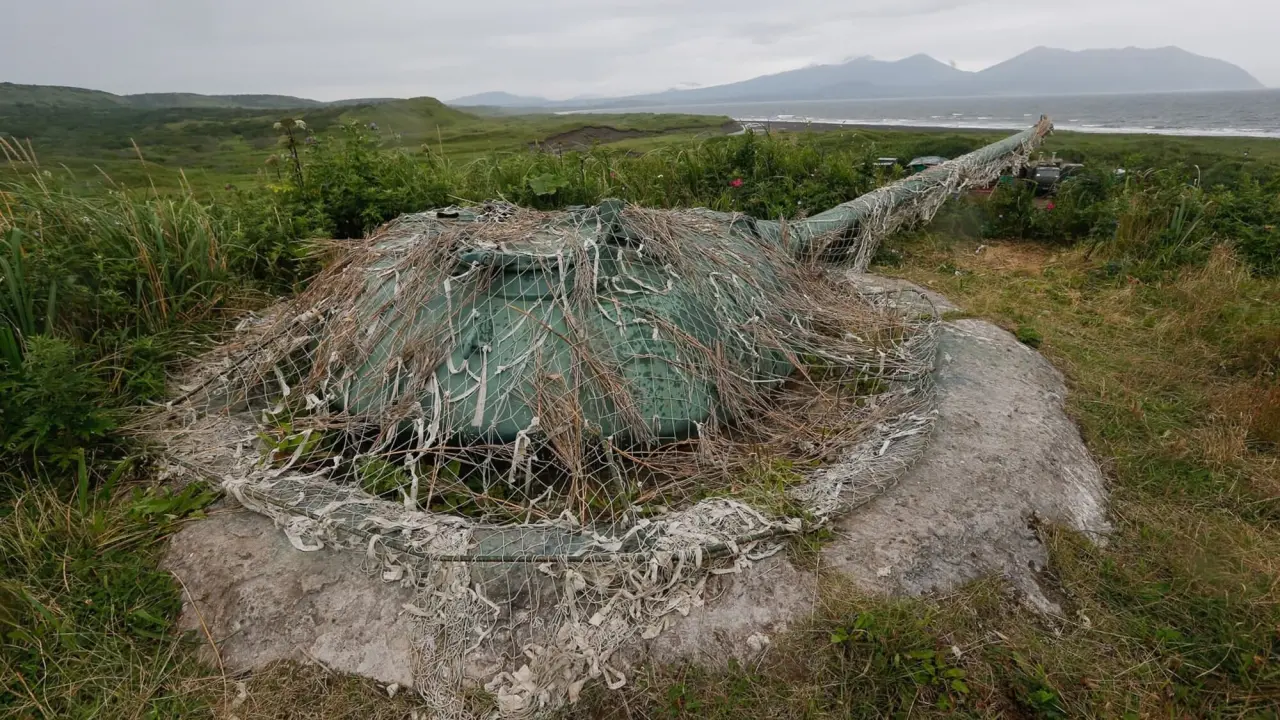
Russian President Vladimir Putin visited Iturup on August 13, his first trip to one of the four Kuril Islands claimed by Japan. The visit revived a territorial dispute that has remained unresolved since the end of World War II.
The disagreement goes back much further. Japan and Russia first established a formal border in the Kuril Islands in 1855, when the Treaty of Shimoda placed the boundary between Iturup, known in Japan as Etorofu, and Urup. Japan controlled Iturup and the islands farther south, while Russia retained the northern Kurils.
In 1875, the two countries reached another agreement. Under the Treaty of St. Petersburg, Japan gave up its rights to Sakhalin Island in exchange for the rest of the Kurils, bringing the entire island chain under Japanese control.
That arrangement lasted until the final days of World War II.
The Soviet Union Takes the Kurils
Japan and the Soviet Union had signed a neutrality pact in 1941, allowing Moscow to stay out of the war in the Pacific while Japan fought the United States and its allies.
The situation changed at the Yalta Conference in February 1945. The United States wanted the Soviet Union to enter the war against Japan. In return, US President Franklin Roosevelt and British Prime Minister Winston Churchill agreed that Moscow would regain southern Sakhalin and receive the Kuril Islands.
Germany surrendered on May 8. Three months later, on August 8, the Soviet Union declared war on Japan and launched an offensive in Manchuria.
Japan announced its surrender on August 15. Three days later, Soviet forces began operations to occupy the Kurils, and by early September the entire chain was under Soviet control.
The dispute that followed was never fully settled.
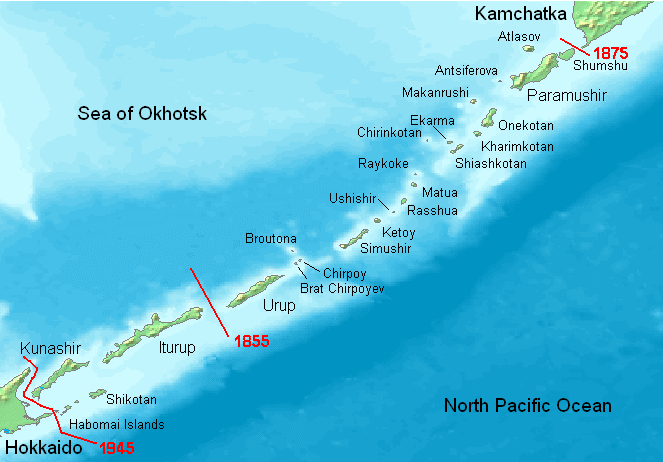
Japan renounced its claims to the Kuril Islands in the 1951 San Francisco Peace Treaty. However, Tokyo argues that Iturup, Kunashir, Shikotan, and the Habomai Islands were not part of the Kurils covered by that renunciation.
Japan calls these islands the Northern Territories and considers them Japanese territory. Russia considers them part of the Southern Kurils and maintains that they are Russian territory.
The disagreement has prevented Japan and Russia from signing a final peace treaty formally ending their World War II conflict.
Ukraine Put the Dispute on Ice
For decades, Japan combined diplomatic pressure with economic cooperation with Russia in an effort to resolve the territorial dispute.
That approach became much harder after Russia invaded Ukraine in 2022. Japan joined the United States and Europe in imposing sanctions on Moscow, while Russia suspended peace talks and ended visa-free travel to the islands, including visits by Japanese nationals to family graves.
The relationship has remained frozen since then.
Putin’s August visit to Iturup therefore carried significance beyond a symbolic trip. It came at a time when there is little diplomatic engagement left between Tokyo and Moscow over the islands.
Japan Has Fewer Options Than It Once Did
Tokyo protested Putin’s visit, but Japan also faces a wider strategic problem. Its ability to pressure Moscow is limited by its continuing dependence on Russian energy.
Around 90% of Japan’s oil imports and 6% of its LNG imports pass through the Strait of Hormuz. The closure of the strait during the war in Iran has increased Japan’s energy vulnerability and made alternative supplies more important.
Russia still accounts for around 9% of Japan’s LNG imports, while the United States extended until December 2026 an exemption allowing Japan to continue importing gas from the Sakhalin-2 project. Japan also resumed imports of Russian oil in May.
The result is an awkward balance. Japan continues to reject Russian control of the Northern Territories, but it also has economic and energy interests that make a much tougher response more difficult.
That dependence raises the cost of any stronger response, allowing Putin to openly assert Russian control of the islands while leaving Tokyo with little room to do more than protest.

Loading comments...