
The United Arab Emirates and the Philippines are stepping up efforts to protect overseas workers. As labor migration continues to grow, both countries are developing new policies to improve worker safety, rights, and long-term support.
Around 2.4 million Filipinos work overseas, especially in the Gulf, where they are essential to sectors such as healthcare, construction, shipping, and domestic service. Their remittances support millions of families in the Philippines and contribute around 10% of the country’s economy, while countries like the UAE rely heavily on Filipino workers to sustain key industries and everyday services.
Such work is important to national economies, but it can also be exploitative. Overseas workers need protection at every stage of their journey, from recruitment to employment and return. This is why the Philippines and the UAE are working to create a safer and more structured labor migration system.
A Stronger Push for Worker Protection and Reform
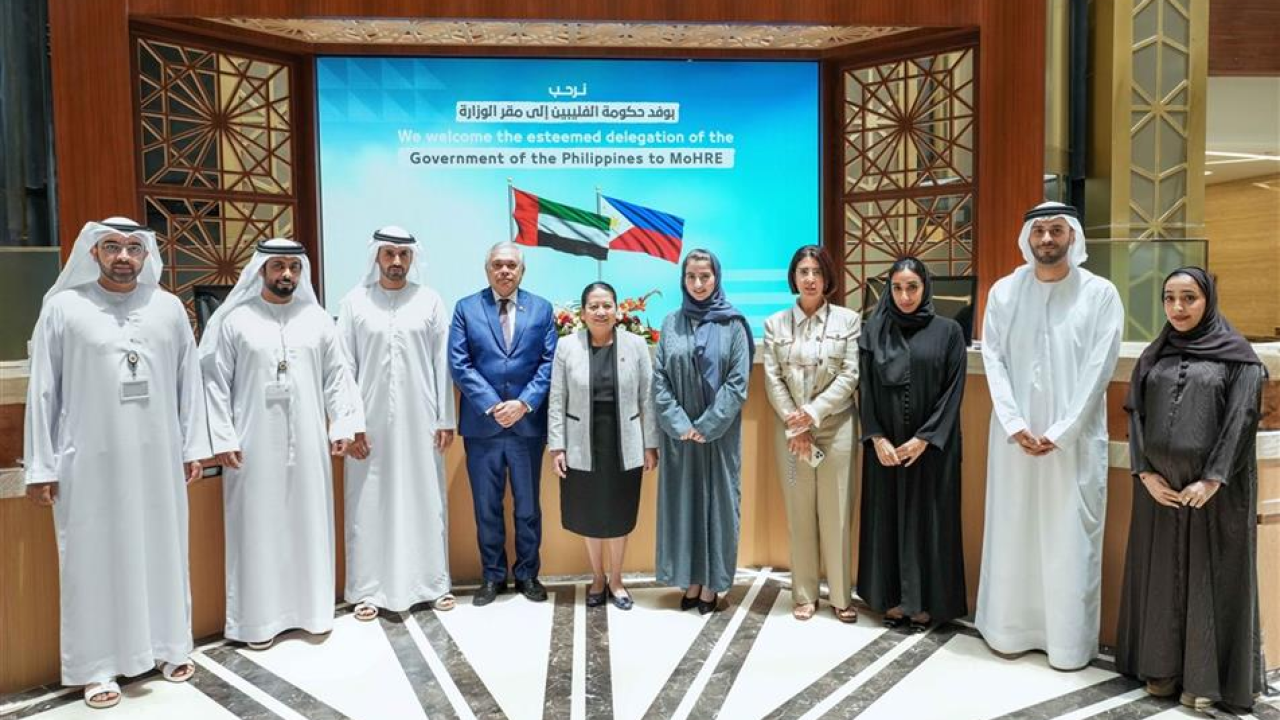
Recent meetings between officials from the United Arab Emirates and the Philippines have reaffirmed their commitment to fair working conditions and stronger protections for overseas Filipino workers.
The United Arab Emirates remains one of the top destinations for Filipino workers. This makes cooperation essential for both countries. Policies now focus on worker welfare, legal protections, and better coordination between governments.
The Philippines is also leading regional discussions as chair of the Abu Dhabi Dialogue. This platform brings together labor-sending and labor-receiving countries to improve migration systems. The focus includes safe recruitment, social protection, and digital tools to manage worker mobility.
Education and Skills Training Shape a Safer Workforce
Education and skills development are also central to reform efforts. The Philippines is working with national training agencies to prepare workers for changing global markets. Programs focus on upskilling, digital knowledge, and better job matching. This helps workers stay competitive and reduces the risk of job loss. It also gives them more options if conditions change in one country or sector.
At the same time, both governments are strengthening efforts to prevent illegal recruitment and human trafficking. Clear legal pathways and stronger enforcement aim to protect workers before they leave home. These steps are important because many overseas workers still face challenges. Some deal with long working hours, limited rest, or restricted communication. Others face discrimination in workplaces despite having strong skills and qualifications.
By improving training and protections, both countries are working to reduce these risks while supporting a more stable and skilled workforce.
A Full-Cycle Approach in a Time of Global Risk
The Philippines is promoting a full-cycle migration approach. This means supporting workers before departure, during employment abroad, and after they return home.
This strategy has become even more urgent because of rising tensions in parts of the Middle East. Recent conflict involving the United States, Israel, and Iran has increased concern for overseas workers across the region. Incidents such as missile strikes have highlighted how quickly conditions can change, placing workers at risk.
For many Filipino families, this is not distant news. Their safety directly affects millions of households back home. In response, the Philippine government has strengthened crisis support systems. These include emergency assistance, evacuation planning, and reintegration programs for returning workers. The Department of Migrant Workers, established in 2022, plays a central role in coordinating these efforts.
Since the start of the war in late February 2026, about 7,000 Filipino nationals have returned to the Philippines.
Labor Reform Signals a Shift in Global Migration Governance
The growing cooperation between the United Arab Emirates and the Philippines reflects a larger shift in how labor migration is managed. It is no longer only about sending workers abroad. It is about building systems that protect people and support economies over time.
The partnership between the United Arab Emirates and the Philippines shows how countries can work together to improve worker safety while supporting economic growth.


Loading comments...