




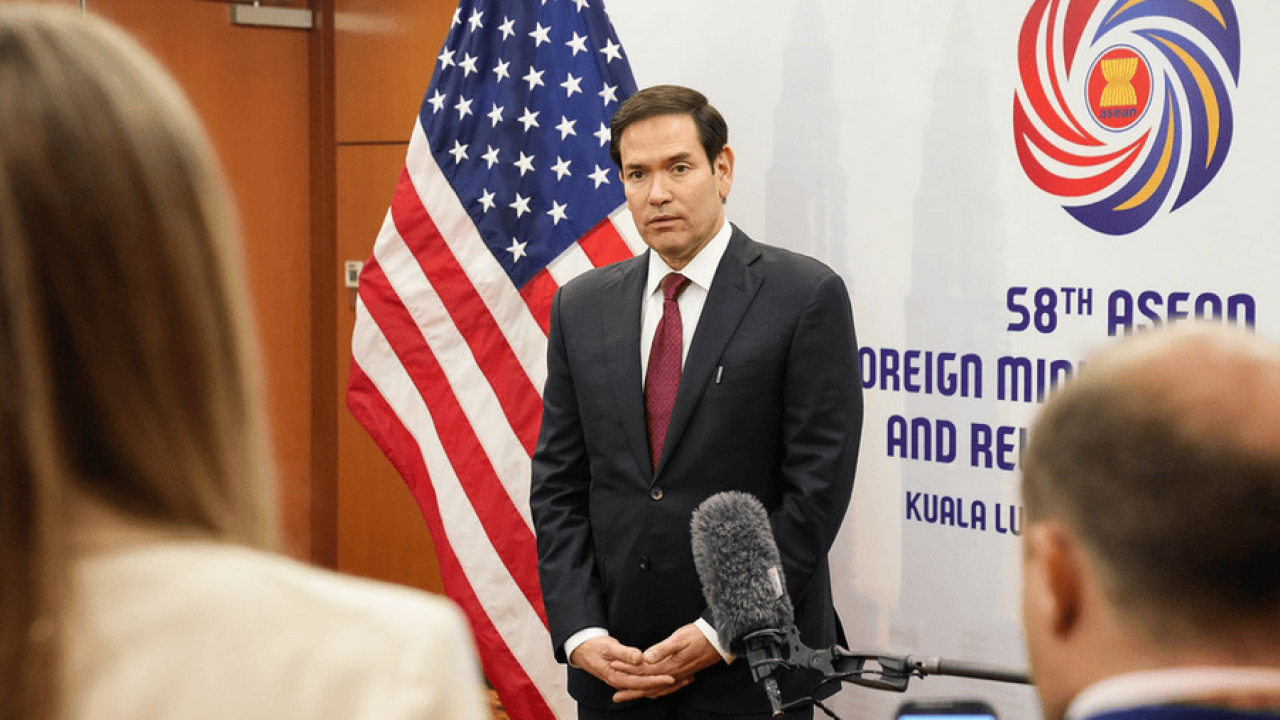
As the United States raises tariffs on exports from Southeast Asia, the region faces growing economic and political pressure. These trade barriers threaten industries built on global supply chains, risk cutting manufacturing output, and could lead to job losses and weaker consumer spending.
Tariffs were once a tool of economic regulation that have increasingly become political instruments that Washington uses to shape global behavior and protect domestic interests. In Southeast Asia, where open trade drives growth, the effects are already being felt. For countries like the Philippines, US tariffs may even accelerate a shift toward digital and service-based economies.
Understanding Tariffs: Lessons from the US-China Trade War
Tariffs are taxes that governments place on imported goods, typically to protect domestic industries from foreign competition. When a tariff is imposed, it raises the cost of an imported product, often by a fixed percentage, and that added cost
...

Loading comments...