




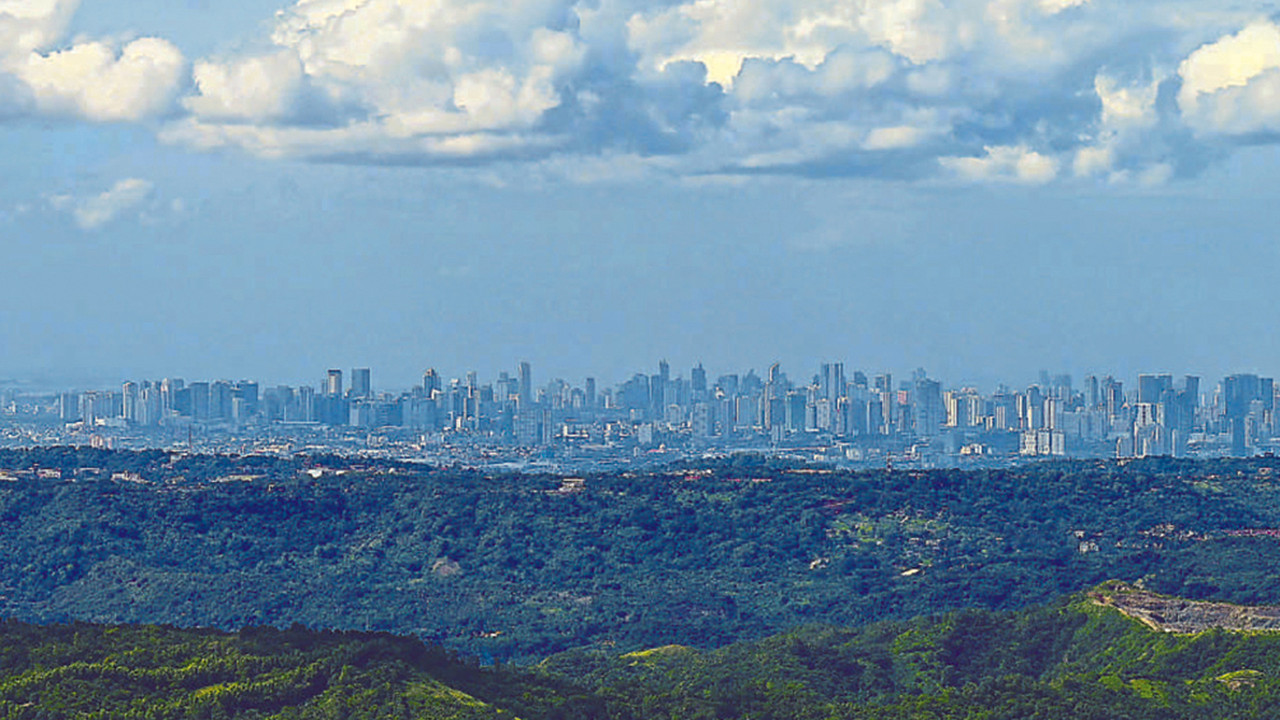
Every typhoon season, the Philippines' Sierra Madre mountain range stands between powerful storms and millions of people living across Manila and the crowded lowlands of Luzon.
The range helps break the force of winds, pushes moisture upward until heavy rain falls over its slopes, and slows the water racing toward towns and cities below. That is why many Filipinos call Sierra Madre Luzon’s natural shield.
But the shield is being torn apart.
Stretching for more than 500 kilometers, the Sierra Madre contains around 1.4 million hectares of forest. Since the beginning of this century, around 180,000 hectares of its forest cover have disappeared. The destruction continues at roughly 9,000 hectares every year.
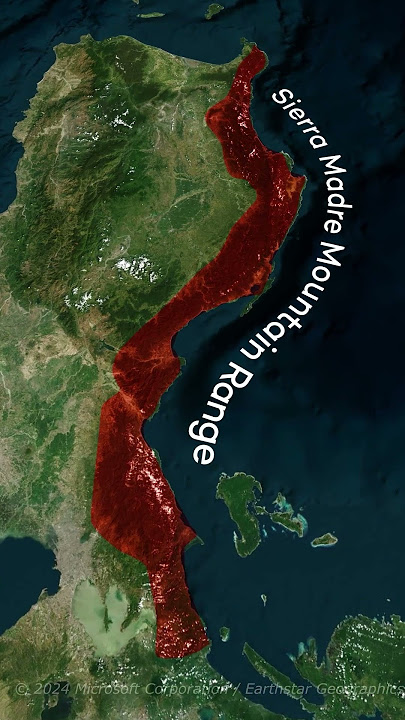
Satellite image showing the Sierra Madre mountain range
The Cost of Short-Term Deals
Forest loss can turn an approaching storm into a far deadlier human disaster. Illegal logging, slash-and-burn farming, mining, quarrying, roads, and infrastructure projects are stripping away the forests that absorb rainfall and hold mountainsides together.
As the trees disappear, water runs faster, soil becomes less stable, and roads, mines, and commercial interests push deeper into indigenous territories.
One of the most controversial projects is the Kaliwa Dam. Launched in 2019, the project is funded through a $211 million loan from China. It includes a 63-meter-high concrete structure designed to divert water from the Kaliwa River through a tunnel toward Metro Manila.
Supporters say the project will help address the capital’s water needs. Critics see a darker trade-off: water for the capital at the potential expense of forests, wildlife, and Indigenous communities.
The Poor Take the Risk, Others Take the Profit
For some of the poorest Filipinos, cutting trees is one of the few ways to earn money. Under cover of darkness, workers enter the Sierra Madre to avoid soldiers and forest guards. Every trip carries the risk of arrest, serious injury, or death.
These workers do the work, yet they rarely receive good money. Instead, middlemen, buyers, financiers, and political operators capture most of the profits from the timber trade. Those at the bottom remain trapped in poverty, while the people controlling the networks above them keep cashing in.
The same pattern appears in mining. Sierra Madre is rich in copper, gold, nickel, chromite, and limestone. Beneath the forest lies a fortune, and that fortune has attracted mining companies, local power brokers, and illegal operators.
The Philippine government is supposed to protect Sierra Madre. Yet the same state also approves permits allowing mining and other extractive activities inside and around the range. The institution expected to defend the forest is also helping decide where it can be opened for business.
When the Shield Falls, Luzon Pays the Price
In an age of climate change and increasingly extreme weather, the destruction of Sierra Madre is no longer only an environmental crisis. It is a direct threat to human lives.
If the Philippine government fails to act urgently, millions across Luzon will be left more exposed to floods, landslides, and stronger storms. The damage may begin in distant forests, but it can end with homes underwater, roads buried in mud, and families running for their lives.
A natural system as important as Sierra Madre cannot be treated as a collection of isolated permits, infrastructure projects, mining interests, and local deals. It is one living system, and it must be protected as a national line of defense.
The Philippines needs to move beyond short-term development and adopt a long-term strategy that protects its forests and ensures that the country does not destroy the very shield it will desperately need in the storms ahead.


Loading comments...