




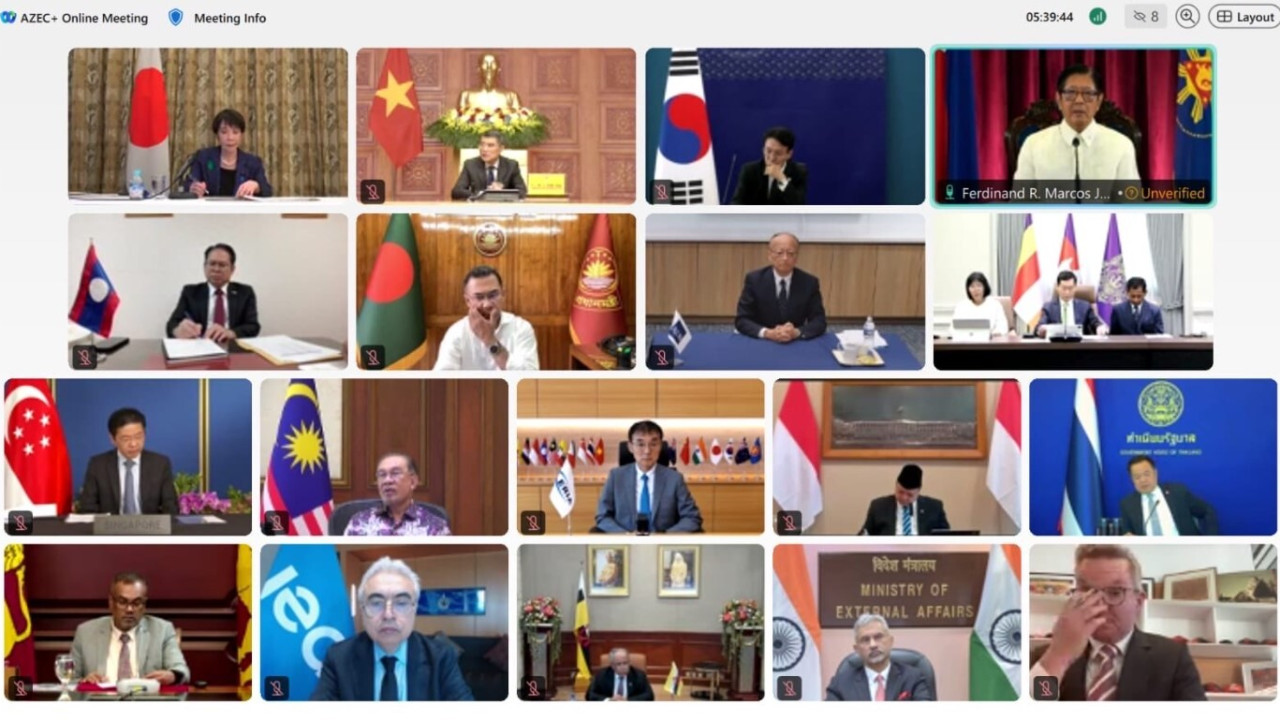
When the Strait of Hormuz shut in February, the Philippines felt the shock almost immediately. Speaking by teleconference at the Asia Zero Emission Community (AZEC) Plus Online Summit hosted by Japan, Philippine President Ferdinand R. Marcos Jr. said the disruption had laid bare how vulnerable the country remains as an archipelagic economy heavily dependent on imported petroleum.
Diesel and liquefied petroleum gas prices have skyrocketed, straining transport, food distribution, and manufacturing while feeding imported inflation. The disruption forced Manila to declare a national energy emergency to contain the fallout.
Why the Country Remains Exposed to Global Oil Shocks
The disruption was framed as more than a temporary spike. It served as a reminder that the country, like many Asian economies, remains highly exposed to external supply shocks because of its reliance on imported fuel and vulnerable shipping routes.
“As an archipelagic nation…
...

Loading comments...