




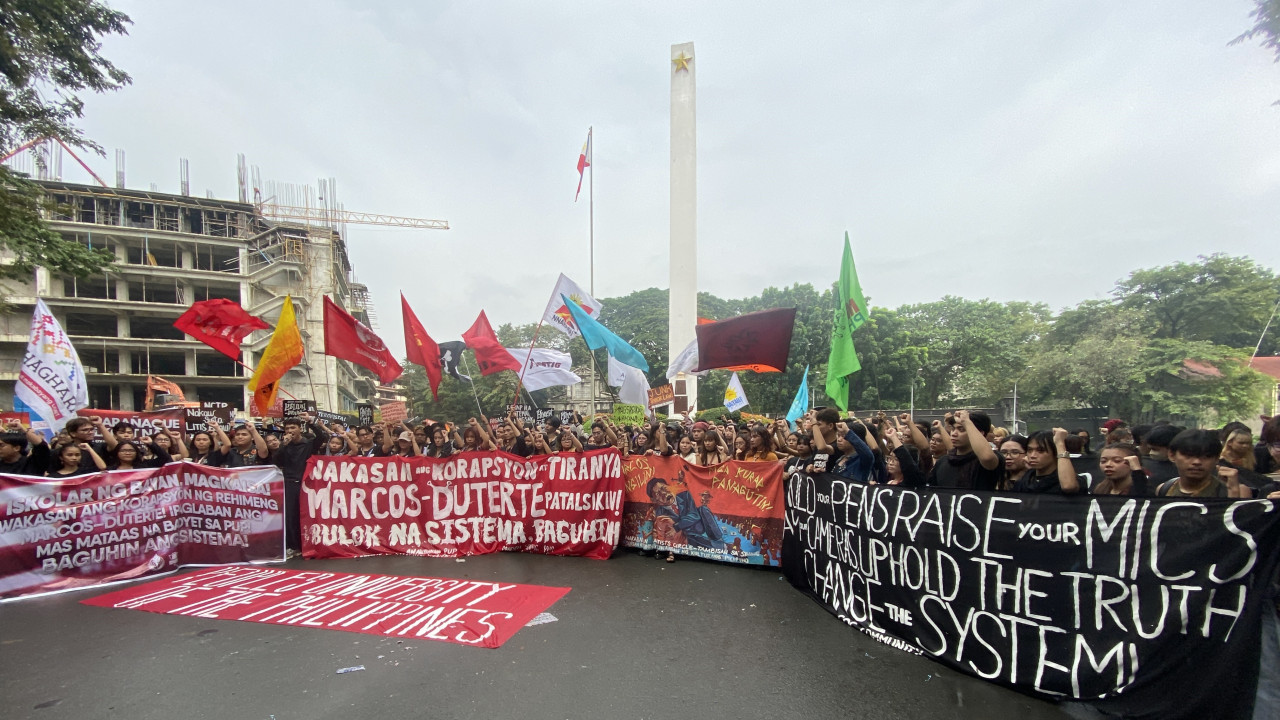
Corruption in the Philippines does not begin with billion-peso scandals. It often starts with small, routine exchanges.
A nationwide survey conducted in late 2025 found that 73% of adult Filipinos identify bribery as the most common form of corruption, ranking it above misuse of public funds, vote buying, and delays in the justice system. That number reflects something deeper than perception. It reflects daily experience.
A permit moves faster after a quiet conversation. Paperwork stalls until someone offers “assistance.” Expectations are rarely spoken aloud, but they are widely understood.
The payments may be small but their long-term consequences are not.
Corruption as Routine, Not the Exception
When bribery becomes predictable, it stops being shocking and becomes procedural.
These repeated encounters shape how citizens understand institutions — not as rule-based systems, but as negotiable ones. Over time, this changes
...


Loading comments...